
How to Master One Pot Meals for Easy Weeknight Dinners
Let me guess. You've just worked a full day, squeezed in a workout, and it's 6 pm. You're hungry and tired. The easiest option is to pick up the phone and order takeout, but you're sick of overpaying for sub-par food that you know isn't the healthiest either. We've all been there! It's times like these when one pot meals can save the day.
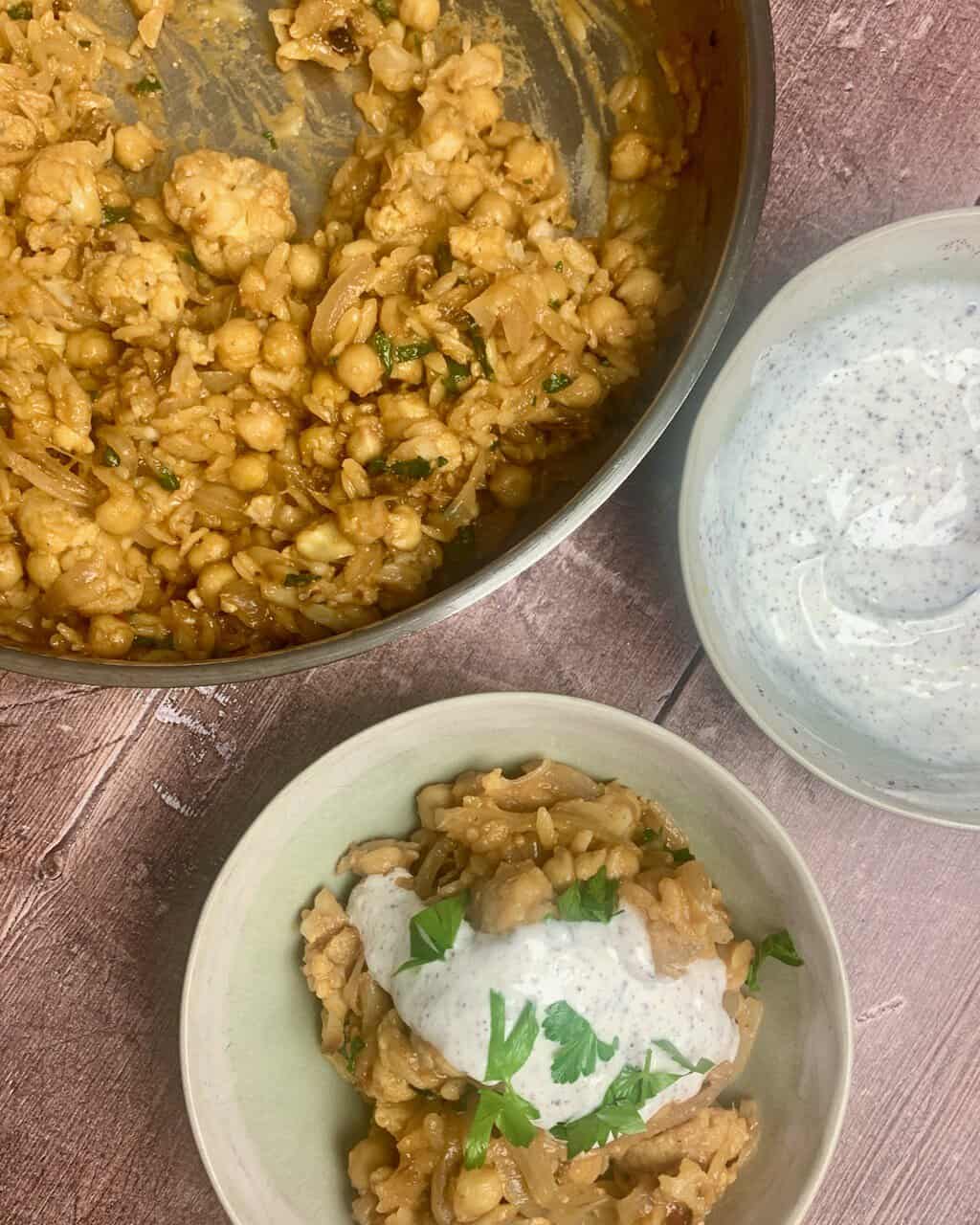
The best one pot meals are flavorful, balanced, easy to make and even easier to clean up after. This article dives into what one pot meals are, what makes a great one, why they're so handy, and how to build them from basic ingredients. I'll also share a few of my favorite one pot recipes, plus a practical list of FAQs for troubleshooting.

What is a one pot meal?
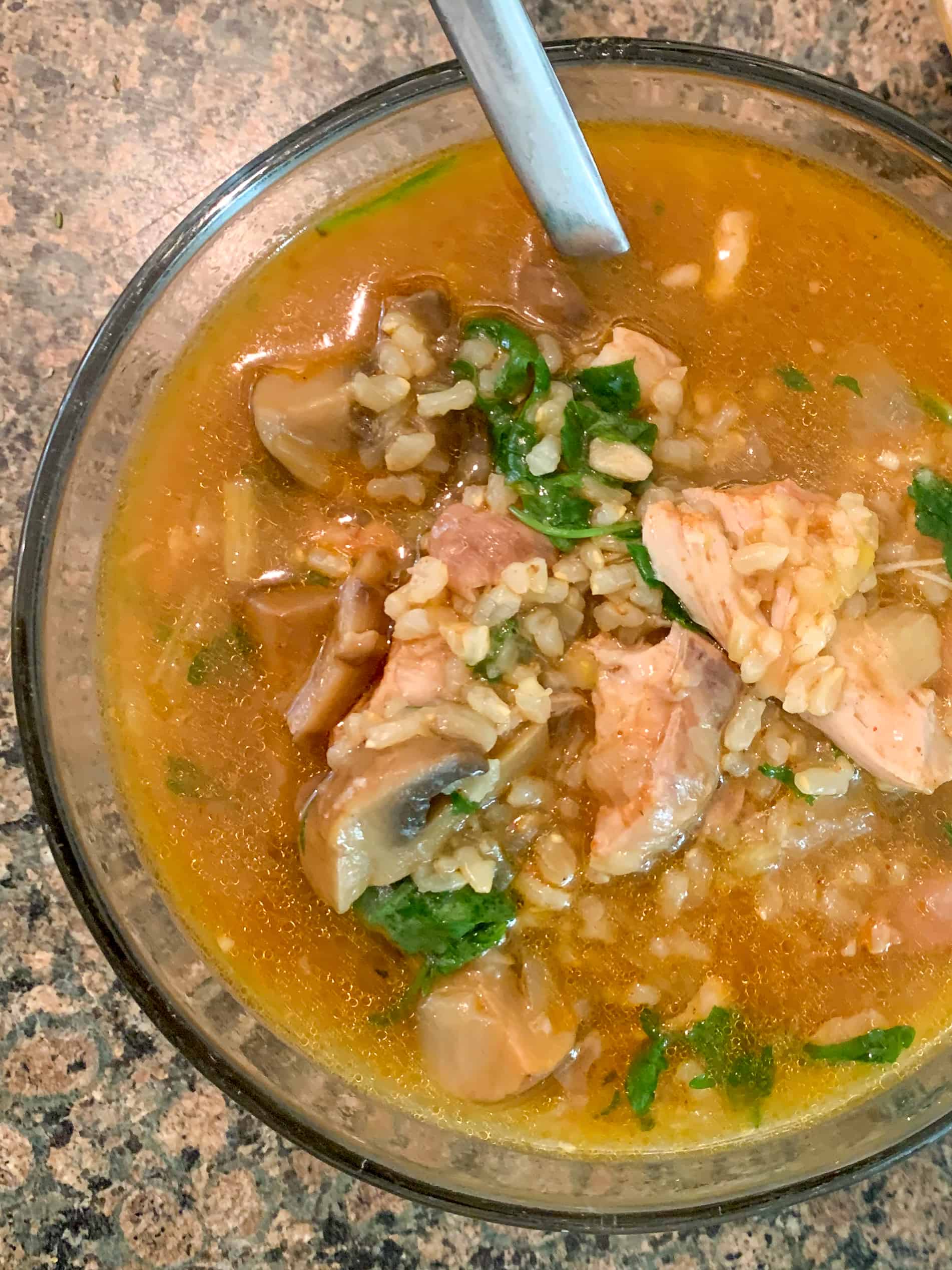
A one pot meal is a complete dish cooked from start to finish in a single vessel. That vessel can be a Dutch oven a deep skillet, a sheet pan, an Instant Pot, or even a rice cooker. The goal isn't just fewer dishes. It's a cohesive, satisfying meal where the protein, starch, and veggies come together in one pot so the flavors mingle and the cleanup stays ridiculously quick.
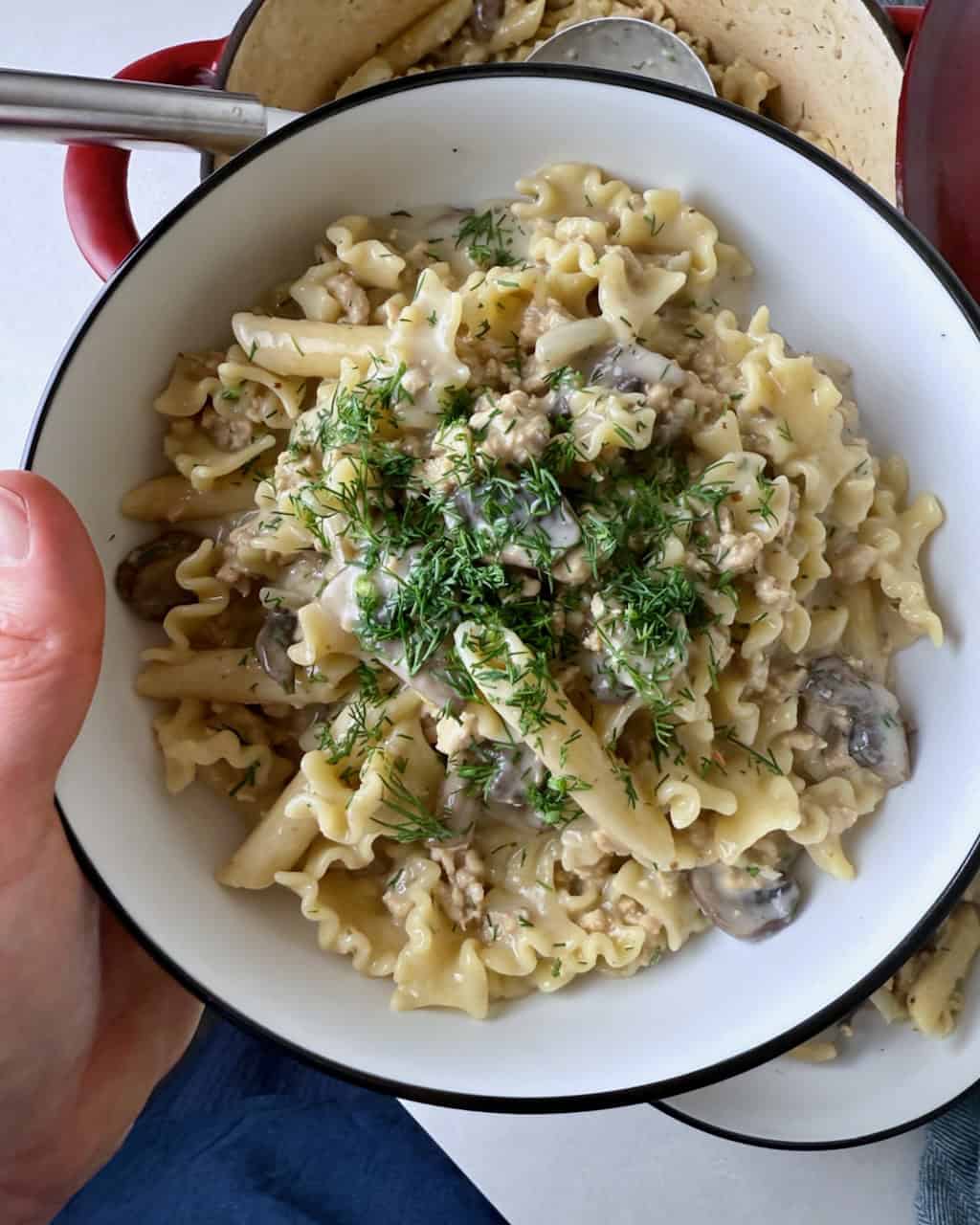
Why one pot meals are so handy
One pot meals are the ultimate weeknight solution. They use minimize dishes, often use pantry staples, and keep well for leftovers or meal prep. They can be super budget-conscious, forgiving, and perfect for small kitchens or anyone who doesn't want to spend the evening cleaning up. You can lean on a single piece of equipment, and cook dinner without the juggling act.

What makes a great one pot meal?
The caliber of your one pot meal comes down to a few main aspects:
- Hearty and satisfying - Probably the most important quality! A one pot meal should be just that - a meal. (Not an appetizer that leaves you wanting more).
- The right consistency - Just enough liquid to make things tender, without being too dry or too soupy.
- Properly seasoned - Not too salty, not bland, just right.
- Everything cooked nicely - Tender protein, perfectly cooked grains, and veggies that still have a bit of textural integrity. That's the goal! (Scroll for a more detailed guide on ingredient sequencing!)
- A solid flavor combo - Flavors that complement each other and hold up well during the cooking process.
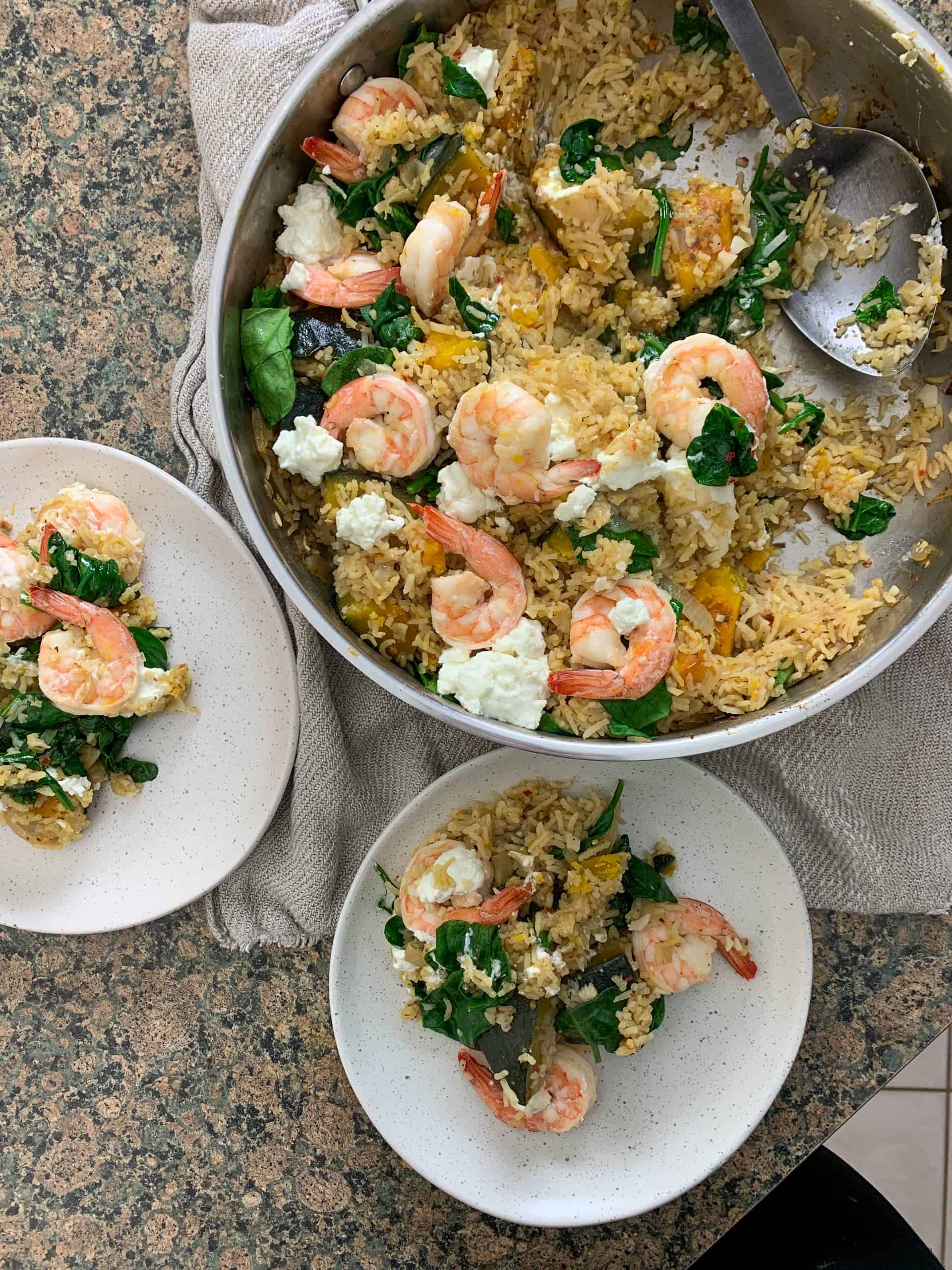
How to combine flavors
When dreaming up your one pot meal, think about what flavors you know you like together. When in doubt, think about common flavors from whatever region of the world you're craving. Here are a few ideas:
- Mediterranean: Bell peppers + eggplant + zucchini with oregano, thyme, and rosemary
- North African: Carrots + chickpeas + spinach with cumin, coriander, and harissa
- Indian: Cauliflower + potatoes + peas with garam masala, turmeric, and mustard seeds
- Thai: Bok choy + mushrooms + red peppers with ginger, garlic, red curry paste, coconut milk, and fish sauce.
- Mexican: Poblano peppers + corn + tomatoes with cumin, oregano, and chili powder
- Middle Eastern: Eggplant + tomatoes + bell peppers with za'atar, sumac, and cinnamon
💡 Example
If you love the flavors of chicken souvlaki, use chicken, onions, and tomatoes with a combination of lemon, garlic, and oregano to build a souvlaki-inspired one pot meal. Serve with a dollop of tzatziki and a bit of pita bread and you're good to go!
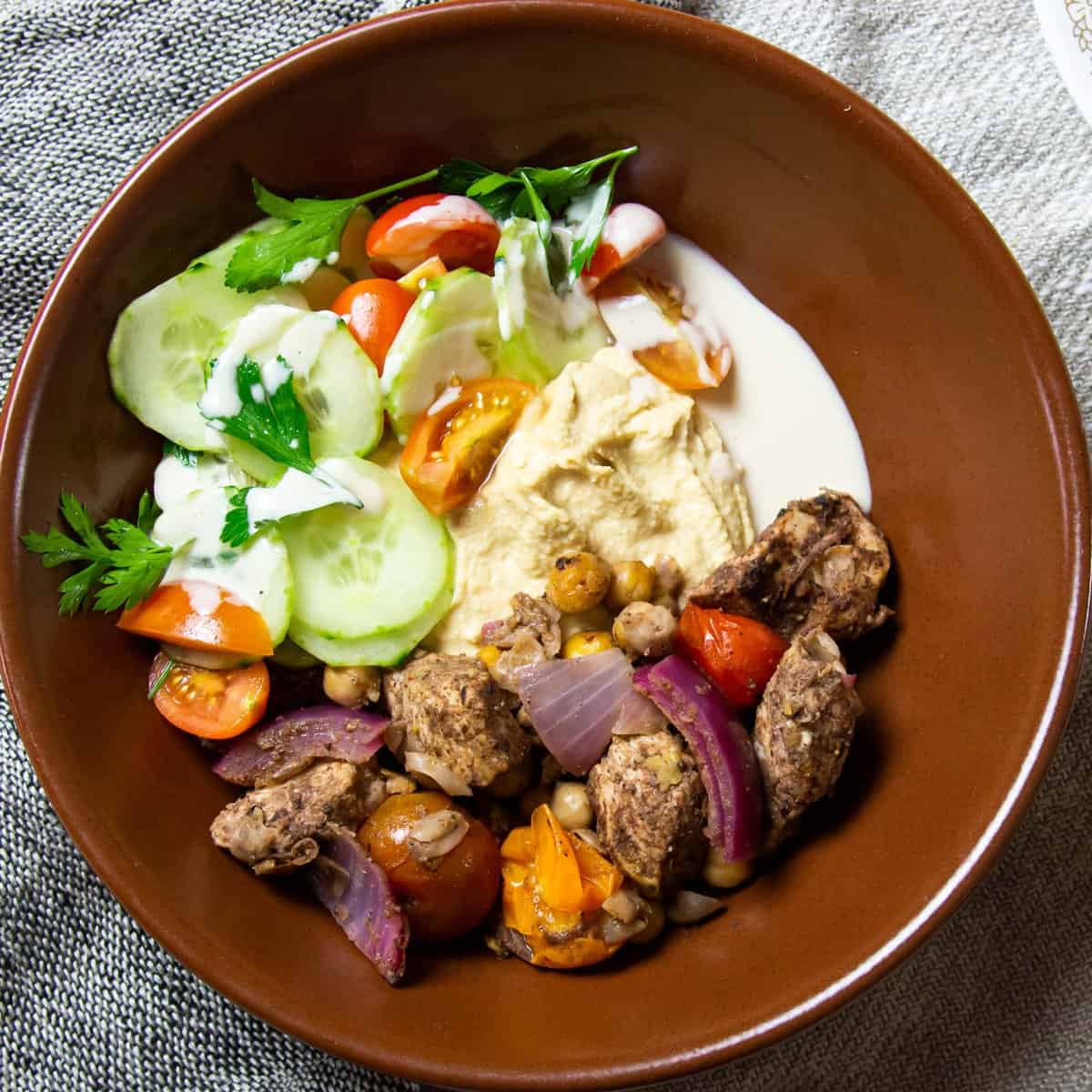
Some of my favorite one pot meals
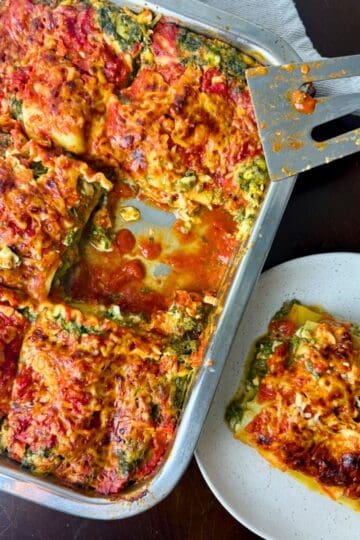
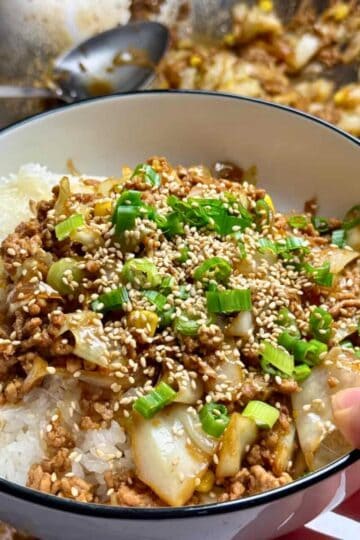
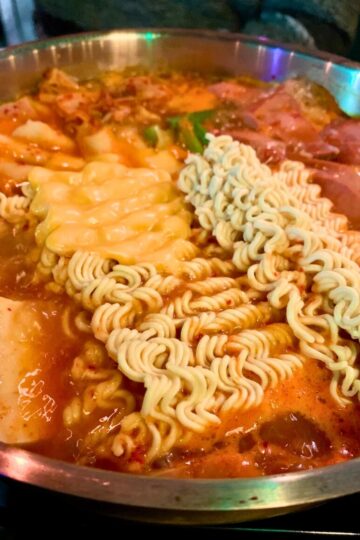
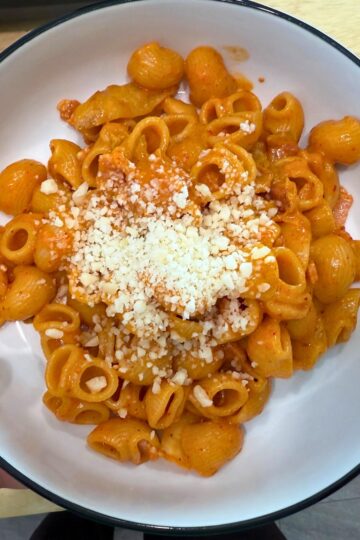
Here are some of my go-to one pot recipes that deliver big flavor with minimal fuss:



How to build a one pot meal - Step by Step
If you've got a well-stocked pantry and a pot, pan, or baking sheet, dinner isn't far away. Here's a simple framework you can use any night of the week.
Choose your vessel:
- Dutch oven - Perfect for stews and braises
- Deep skillet - Ideal for pasta and rice dishes
- Sheet pan - Best for roasting non-grain-based dinners (perfect for potatoes, squash)
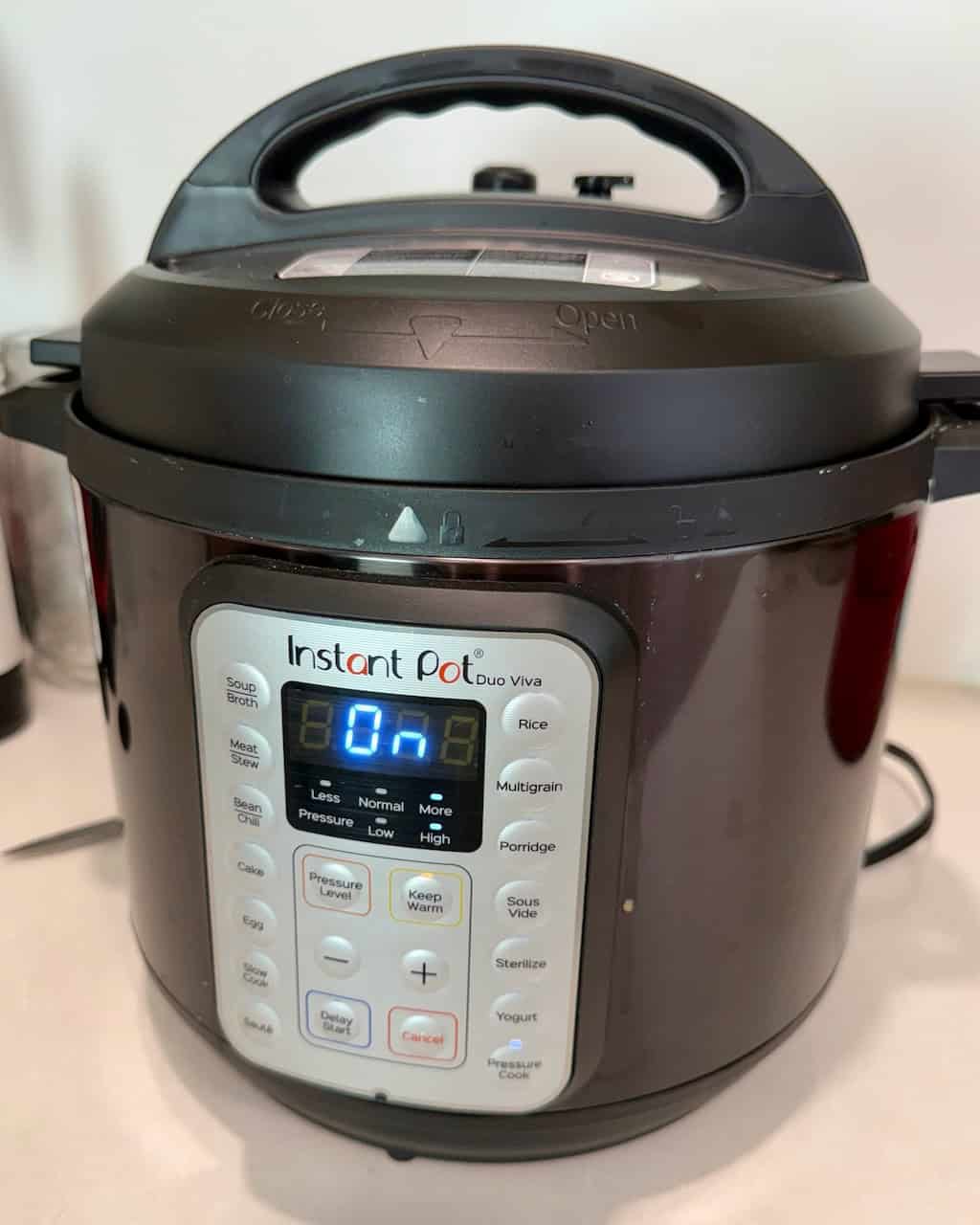
- Instant Pot - Great for pastas, stews, and rice dishes
- Rice cooker - Awesome for hands‑off grain‑based dinners
Pick a protein, a starch, and a couple of veggies
- Protein: chicken thighs, chicken breast, shrimp, ground meats, tofu, cooked beans, cooked lentils
- Starch: rice, pasta, potatoes, quinoa, squash
- Vegetables: some hearty and aromatic (onion, carrot, celery) and some tender (spinach, peas, zucchini, broccoli florets)
- Extras: A drizzle of lemon juice, a dollop of sour cream, a handful of fresh herbs, all the finishing touches.
Time to build your one pot meal!
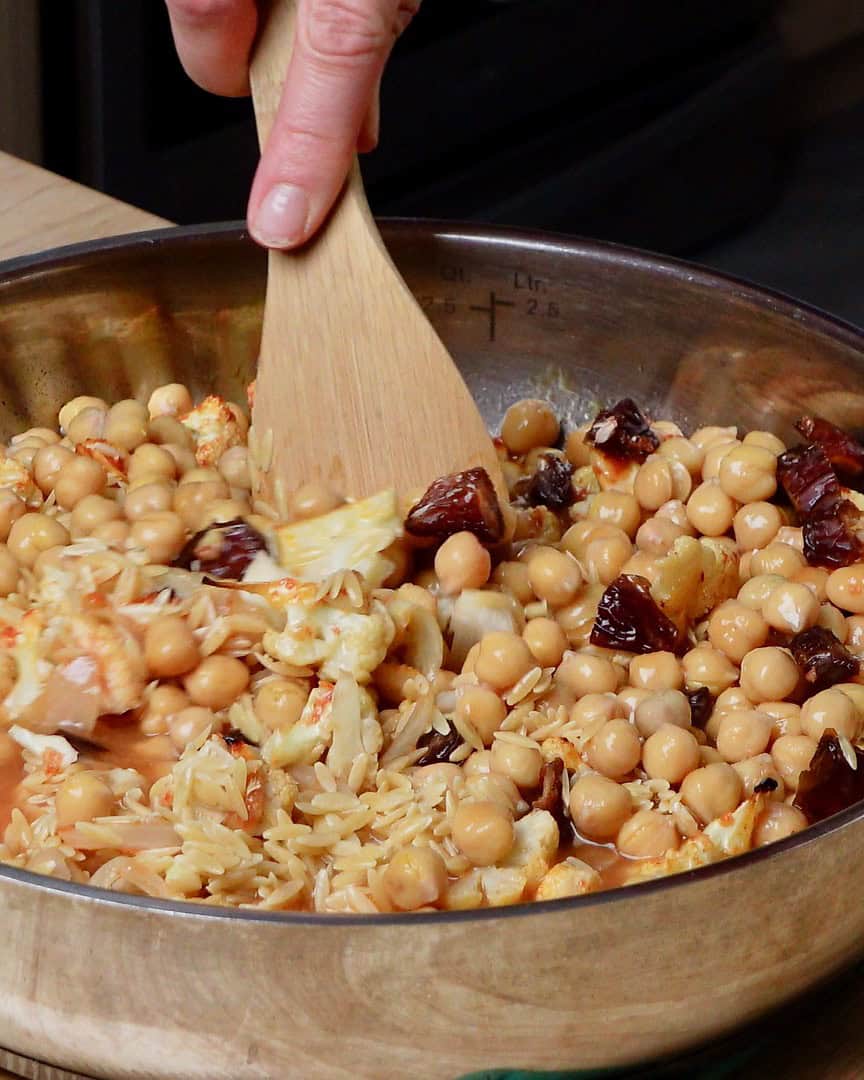
One pot meals are simple, but it helps to think about sequencing. Start by building a flavorful base, then add ingredients in the right order so everything is cooked how it should be.
Stove top method (using a pot, deep skillet, or Dutch Oven):
- Grease up!
- Start by adding a small amount of fat to the pan to help things brown and avoid sticking. Oil, butter, ghee, or bacon fat are all good options!
- Sear your meat. If you're using animal protein like beef, chicken, or shrimp, it's a good idea to season and sear it first, then remove it from the pan, set it aside, and add it back with just enough time to cook it through.
- This is especially important for proteins that can dry out or get tough with too much cooking. (Like chicken breast or shrimp).
- When I'm using ground meats, I usually don't both removing it as it all cooks nicely with the veggies and grains.
- Next up: Aromatics.
- Sauté your aromatic veggies like onions, celery, leeks, garlic until they're slightly softened. This process should also help pull up some of the brown bits (fond) that have developed on the pan from searing the protein.
- Now is also a good time to season! Adding salt to your aromatics will help pull out the liquid. Just be careful with the salt if you plan to add store-bought stock concentrate or bouillon powder later!
- Option to brown your aromatics! If you want deep, caramelized flavor, brown your aromatics. Things like onions and mushrooms, give them time to get golden. This will give you a richer, nuttier flavor.
- Deglaze the pan to capture flavor. If your veggies haven't done the job of lifting the fond from the pan, a splash of stock, water, wine, or even the juice from a can of tomatoes loosen things up so it becomes part of your sauce.
- Stagger your veggies.
- Hearty vegetables, like carrots, parsnips, and squash can go in early. Tender greens, peas, or zucchini should go in at the end to stay vibrant.
- Bloom spices in the fat.
- Stir in spices, pastes, or tomato paste and let them sizzle for a minute before adding any liquid so their aromas wake up.
- Add just enough liquid.
- You need enough liquid (stock, water, whatever) to cook everything, but not so much that your one-pot dinner becomes soup. (Unless you're making soup, which is also a one pot dinner!)
- Finish with freshness.
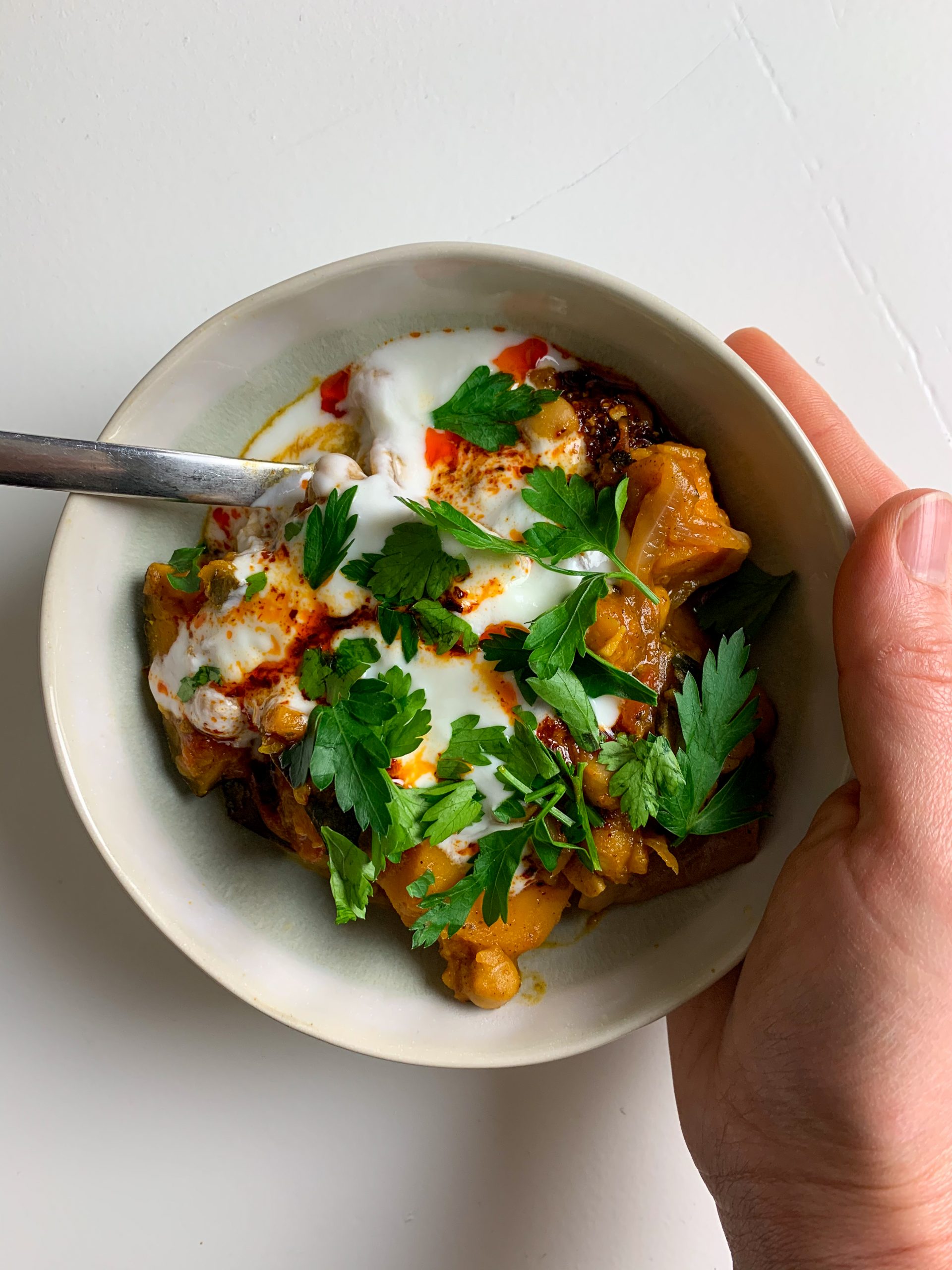
- A squeeze of lemon, a spoonful of yogurt, a drizzle of olive oil, or a handful of chopped herbs can turn a good one pot dinner into a great one.
Instant Pot Method:
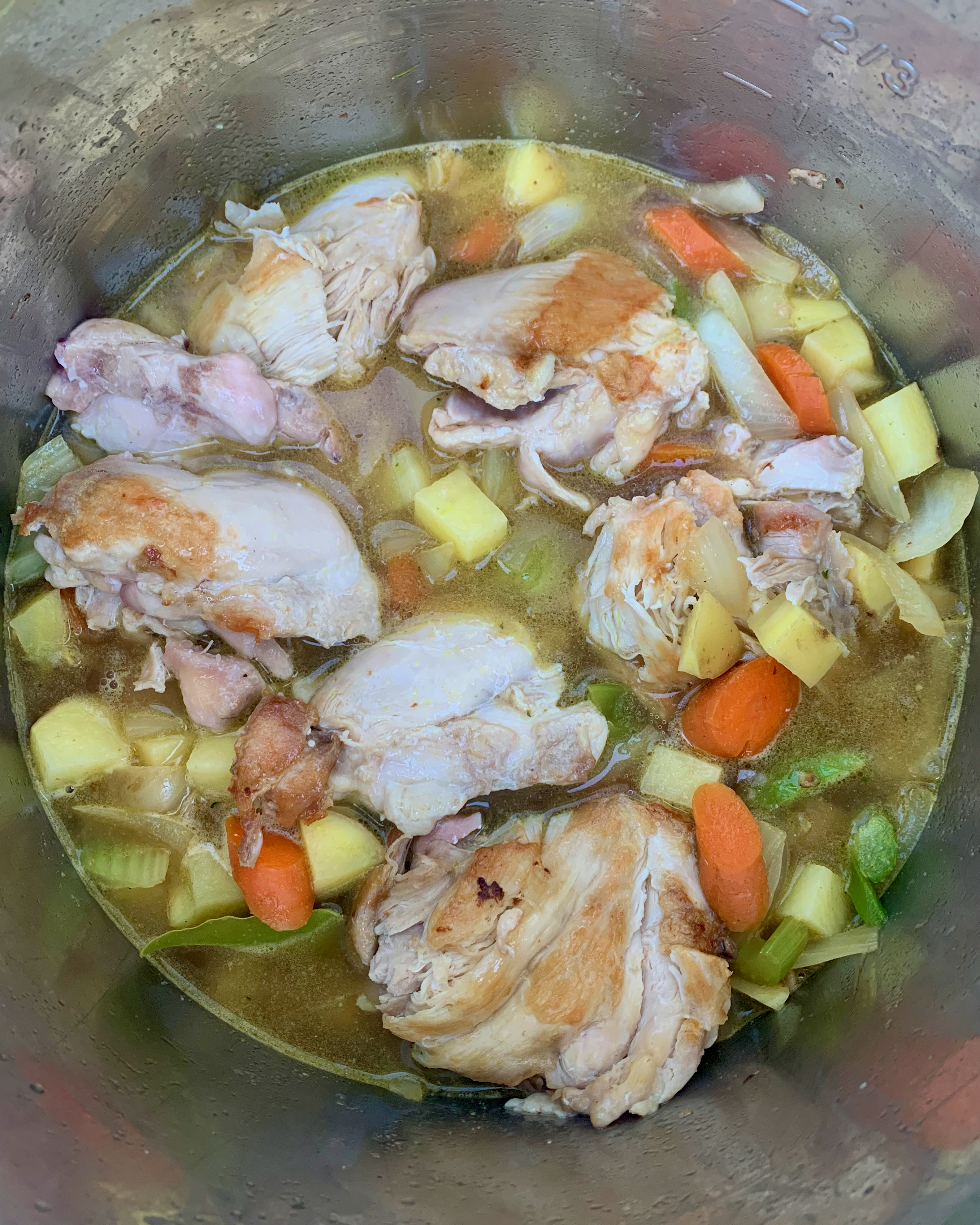
When using an Instant Pot or pressure cooker, much of the above sequence still stands, with a few small distinctions.
- Use the sauté function to brown your meats and sauté/sweat your aromatics
- Switch to pressure mode after you've added the liquid.
Rice Cooker Method:
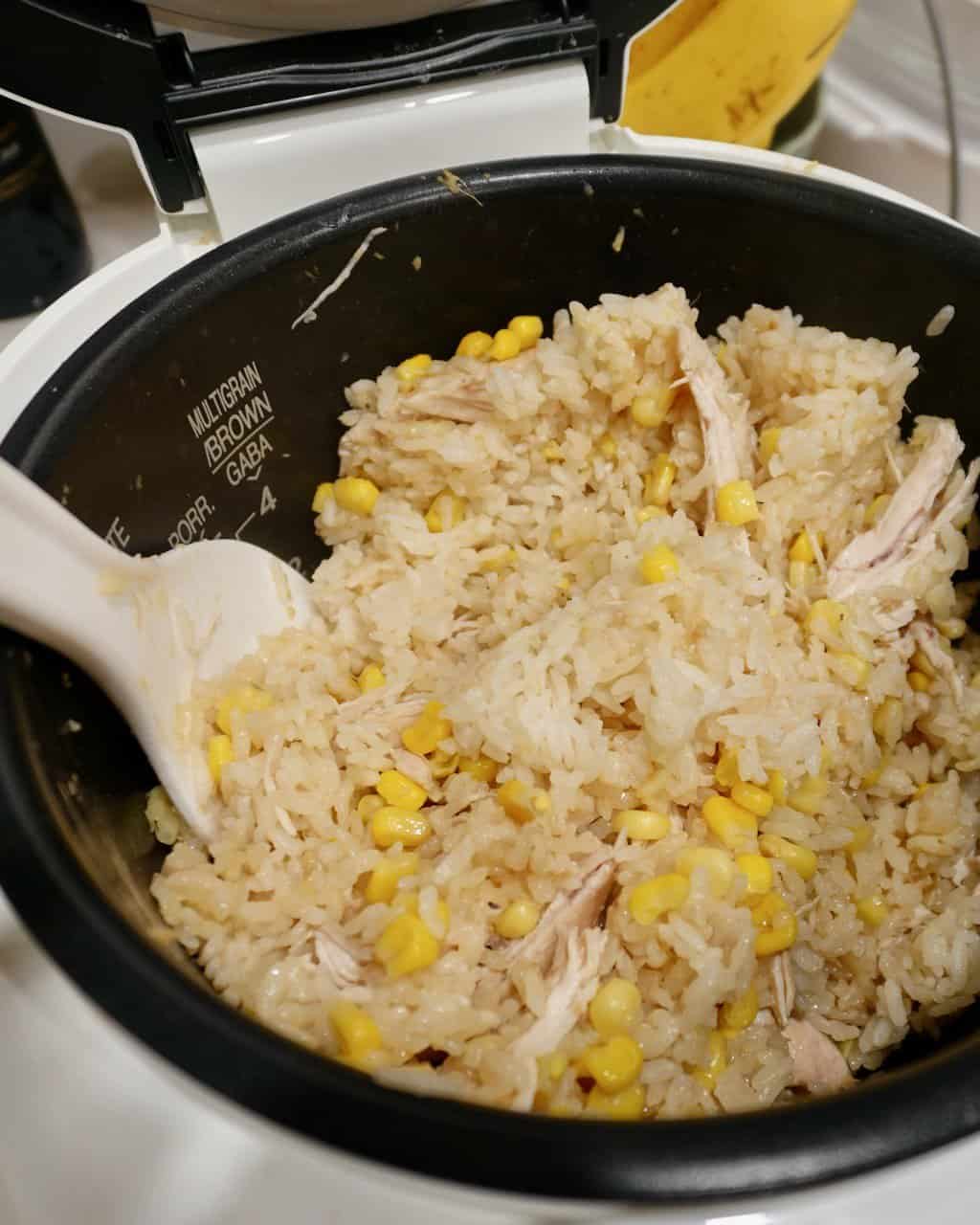
Rice cookers don't allow you to sauté or brown things. So if you want browned or sautéed meat or veggies, you'll have to do that part in a separate pan ahead of time, which kinda defeats the purpose of one pot cooking, but is sometimes worth it nevertheless. For true one pot rice cooker cooking, choose ingredients that are best steamed. Proteins like shrimp, boneless skinless chicken, beans, and tofu, are all great options.
Sheet Pan Method:
For sheet pan cooking, sequencing is a bit trickier. I tend to choose ingredients that all cook for around the same length of time, so I can just toss everything together, including the protein, veggies, carbs, spices, seasonings, and fat, so they can all cook happily for the same amount of time. If I want a fresh green element, I'll often serve these sheet pan dinners with a big handful of fresh arugula with a squeeze of lemon.
Because of this method, the carbs I choose for sheet pan dinners will always be a starchy vegetable, like a potato, that wants to be roasted, rather than a grain, like rice, that wants to be steamed.
*This method also works when cooking in an air fryer!

Carbohydrate Cooking Guide
| Carbohydrate | Ratio |
| Pasta | 2 to 2.5 cups of liquid to 1 cup of dry pasta. |
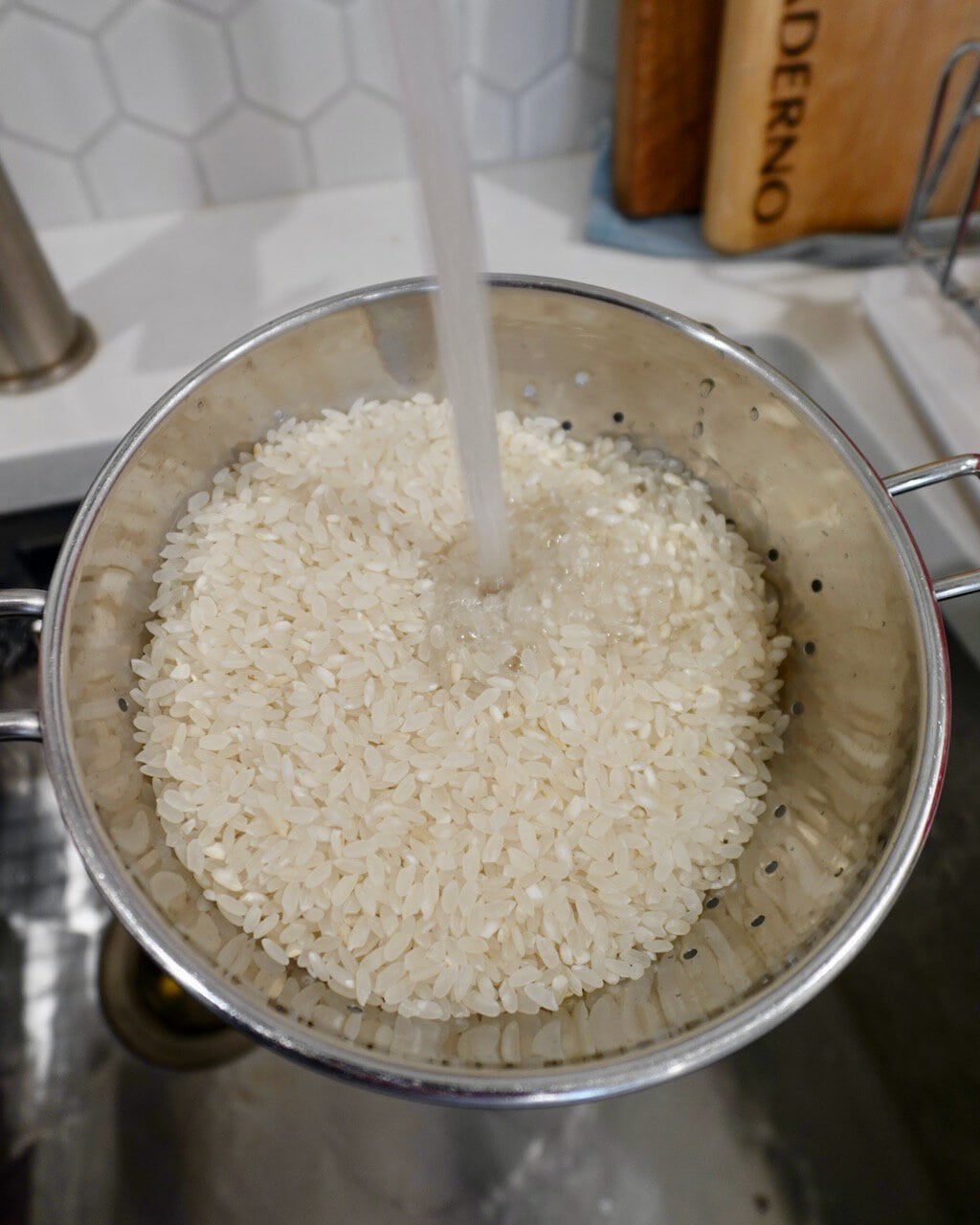
| White Rice | 1.5 cups of liquid to 1 cup of white rice |
| Quinoa | 1.5 cups of liquid to 1 cup of quinoa |
| Brown Rice | 2 cups of liquid to 1 cup of brown rice |
| Potatoes | Just enough to cover by half. Let the steam do the rest! |
💡 Top Tip
Remember that veggies and canned tomatoes add moisture too! Be sure to factor that in when deciding how much liquid to add.
Pantry staples that make one pot dinners easier
- Aromatics: onions, garlic, scallions, ginger
- Canned goods: tomatoes, coconut milk, beans, tuna
- Starches: pasta, rice, potatoes, quinoa
- Flavor boosters: soy sauce, fish sauce, miso, vinegar, mustard, kimchi, harissa
- Fats: olive oil, butter, neutral oils (like avocado, sunflower)
- Freezer heroes: peas, spinach, corn, broccoli florets, green beans, and my all-time favorite - frozen ginger and garlic bombs!
Equipment needed for one pot meals
One of the great things about one pot meals is that you don't need much in the gear department. A regular sized Dutch oven or deep sauté pan with a lid covers most bases. Add a heavy sheet pan if you love crispy chicken skin and roasted veggies, an Instant Pot if you love speed cooking, and a rice cooker if you want reliable grains and set‑and‑forget dinners.
Pro tips that change the game
- Cut sizes matter. Dice hearty vegetables smaller so they soften in time, and more tender veggies larger so they don't overcook.
- Add in some resting time! Five minutes off heat lets starches hydrate, sauces thicken, and flavors mingle.
- Finish bright. Lemon juice, vinegar, herbs, or a spoonful of yogurt can wake up cozy flavors that have been cooking for awhile.

Storage, meal prep, and freezing
The storage and reheating tips will vary depending on what it is you're making, but generally speaking, it's always best to cool leftovers quickly in shallow containers. Most one pot meals keep for 3 to 4 days in the fridge and many bean, grain, and tomato‑based dishes freeze well for 2 to 3 months. Reheat gently with a splash of water or stock.
Easy dietary swaps
One pot meals can be as unique as you and your dietary needs are. It's easy to choose ingredients that work for you. Here are a few things to keep in mind:
- For gluten‑free meals:
- Choose rice, potatoes, quinoa, or certified GF pasta and check your sauces.
- For dairy‑free meals:
- Use olive oil or coconut milk; finish with tahini or good EVOO instead of dairy.
- For vegetarian/vegan meals:
- Beans, lentils, tofu, and mushrooms deliver protein and fiber.
- For high‑protein meals:
- Adjust your ratio of protein and starch, and top with Greek yogurt for an extra boost.
- For low-calorie meals:
- Choose lean proteins, adjust the ratio of protein and starch, and use a small amount of fat.

One pot meal FAQs
A dish cooked completely in one vessel from start to finish. If you add a quick salad on the side, you're still in one pot territory.
Yes, but make sure that the sauce is quite watery to begin with, as the pasta will absorb a lot of the water. Keep the pot covered as much as possible to trap the steam inside, and when the pasta is cooked to your liking, remove the lid to reduce the sauce if needed.
Stagger your additions. Hearty veggies go in early. Tender veggies and greens go in at the end so they stay crisp and bright.
Not necessarily. Water, plus aromatics and a flavor booster (like a small amount of tomato paste or miso), can do the trick.
You need enough liquid to cook your starch and give you a nice consistency at the end. You can always add more liquid if needed, but it's harder to remove liquid once it's added. Refer to the carbohydrate cooking chart earlier in this post.
Yes, many of them. Bean and grain dishes freeze particularly well. Potato‑heavy and cream‑heavy dishes can change texture; thaw gently and add a splash of liquid as you reheat.
A 5 to 6‑quart Dutch oven or deep, 12" sauté pan are the most versatile vessels. They allow enough surface area to brown things and enough space for a 3-4 serving meal.
Keep exploring
If you love the one pot approach, you'll also love my 30 Minute Recipes and 15 Minute Recipes for weeknight speed, and the Pantry‑Friendly Recipes when you're cooking from what you've got.
I hope this helps! Let me know if you have any questions!
Paula
Loved this roundup! I tried one of these ideas this week and it took me about 87 minutes total. Your instructions were super clear even for a beginner like me. Keep these coming, bookmarked your site!