Freezer Meal Guide: Save Money & Eat Better at Home
Jump to:
- Why I love freezing my food so much (and why you might like it too):
- What Makes a Great Freezer Meal
- Best Practices
- Thawing and Reheating Guide
- Ingredients to Avoid (or Handle With Care)
- Freezing Containers: What Works and What Doesn't
- Favorite Recipes: Freezer-friendly winners for your dinner rotation
- Frequently Asked Questions
- Still Hungry?
Our freezers have so much untapped potential. Recently I've been realizing the extent of it and using my freezer a lot more effectively, and it's been nothing short of life changing. If you're someone who freezes the occasional soup or chili in a random yogurt tub and forgetting about it for the next 3 years, I hope this post opens your mind to a whole new reality for your cooking routine.
This post is a freezer meal guide with everything I've learned so far, from cautionary tales to best practices. Because if used right, the freezer can truly revolutionize how you cook and eat.
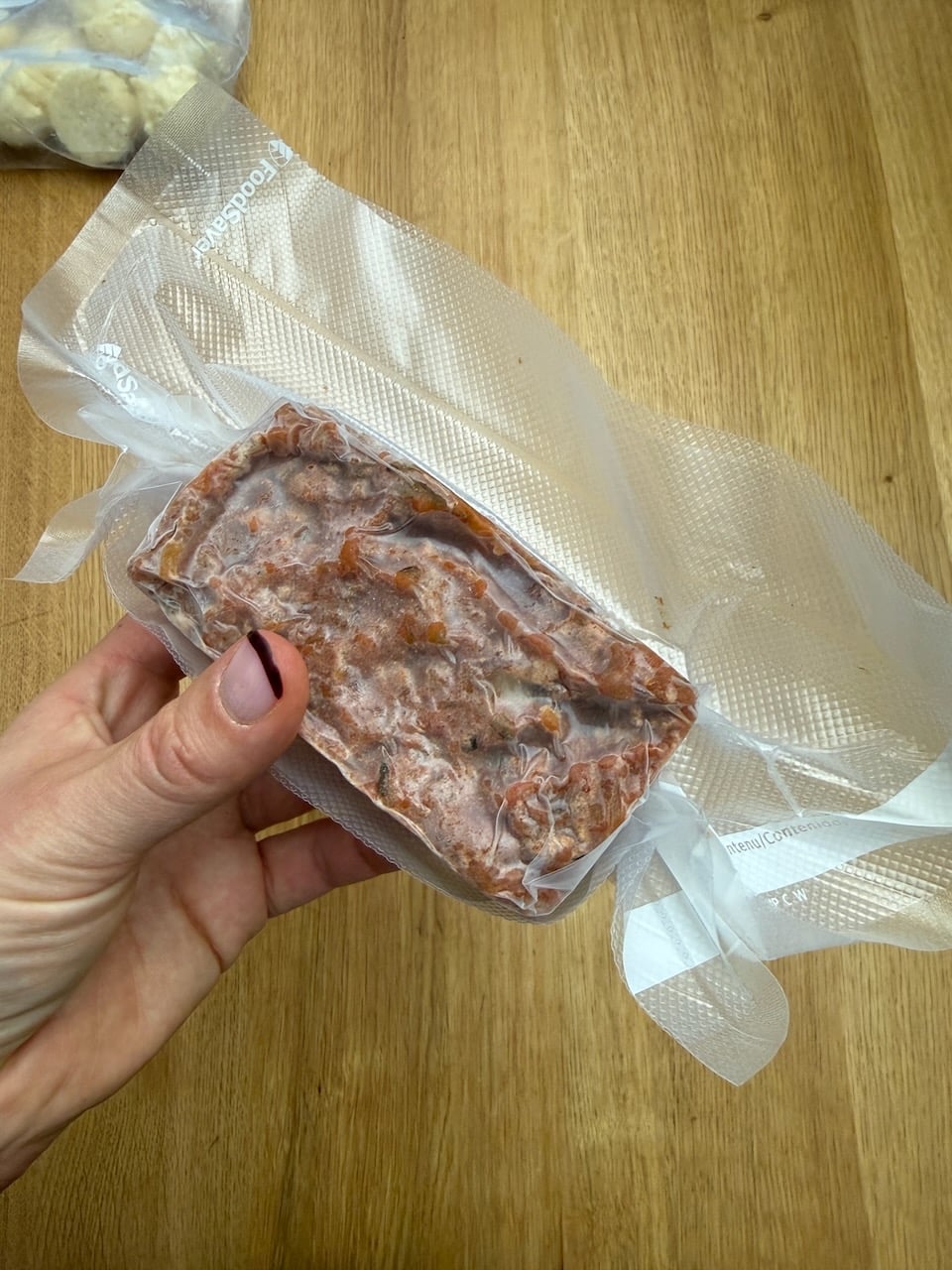
Why I love freezing my food so much (and why you might like it too):
- I can cook big batches without eating the same thing for days on end. I love cooking in big batches. I spent years working at hotels, catering companies, and various other institutions where big batches were the name of the game. It's incredibly satisfying to bust out a big Dutch oven, crock pot, baking sheet, or casserole dish, and cooking a large volume of food. But: I definitely don't want to be eating the same thing all week. I like variety, and I want what I want, when I want it. Making batches and freezing it in portions means my freezer basically becomes a convenience store. I can pick what I feel like in the moment, heat it up, and I'm a happy camper.
- It's a huge time saver. I love spending all day cooking on a Saturday or Sunday, but energy comes in waves, and I certainly don't enjoy it as much on a Tuesday or Wednesday after work when I also need to squeeze in a workout, a bit of relaxation, and an early bedtime. Batch cooking and freezing means I can pick and choose when I want to cook, freeing up my weeknights for other things.
- It's great for the wallet. Having delicious premade options in my freezer makes me way less likely to scroll for a DoorDash mid-week. You can't really get takeout for anything less than $20 bucks these days, and it usually ends up being closer to $60 to order a few things for two or three people. For that price, I can make way more food myself, and get multiple dinners out of it.
- I end up eating healthier. I'm not opposed to takeout. I love a burger or a pizza or Korean fried chicken as much as the next gal. But there's no denying that those foods are way more calorie dense than just about anything I'd make at home where I can decide how much oil, salt, and sugar to add.
- Buy in bulk. There are a lot of meal components (ingredients, store-bought sauces) that I avoided buying because I couldn't get through them fast enough. (Costco pesto is one that comes to mind). Now, I freeze little portions of these things and they're ready for me when I need them. I don't know where I'd be without my frozen minced garlic balls or pre-grated frozen Parmesan cheese. They're like little gifts to my future self.
- Great for singles or couples. You don't need a large family to cook a batch of something, because the leftovers can get portioned out and go straight into the freezer. The freezer really unlocks a world of possibilities when you're living solo or with one or two other people.
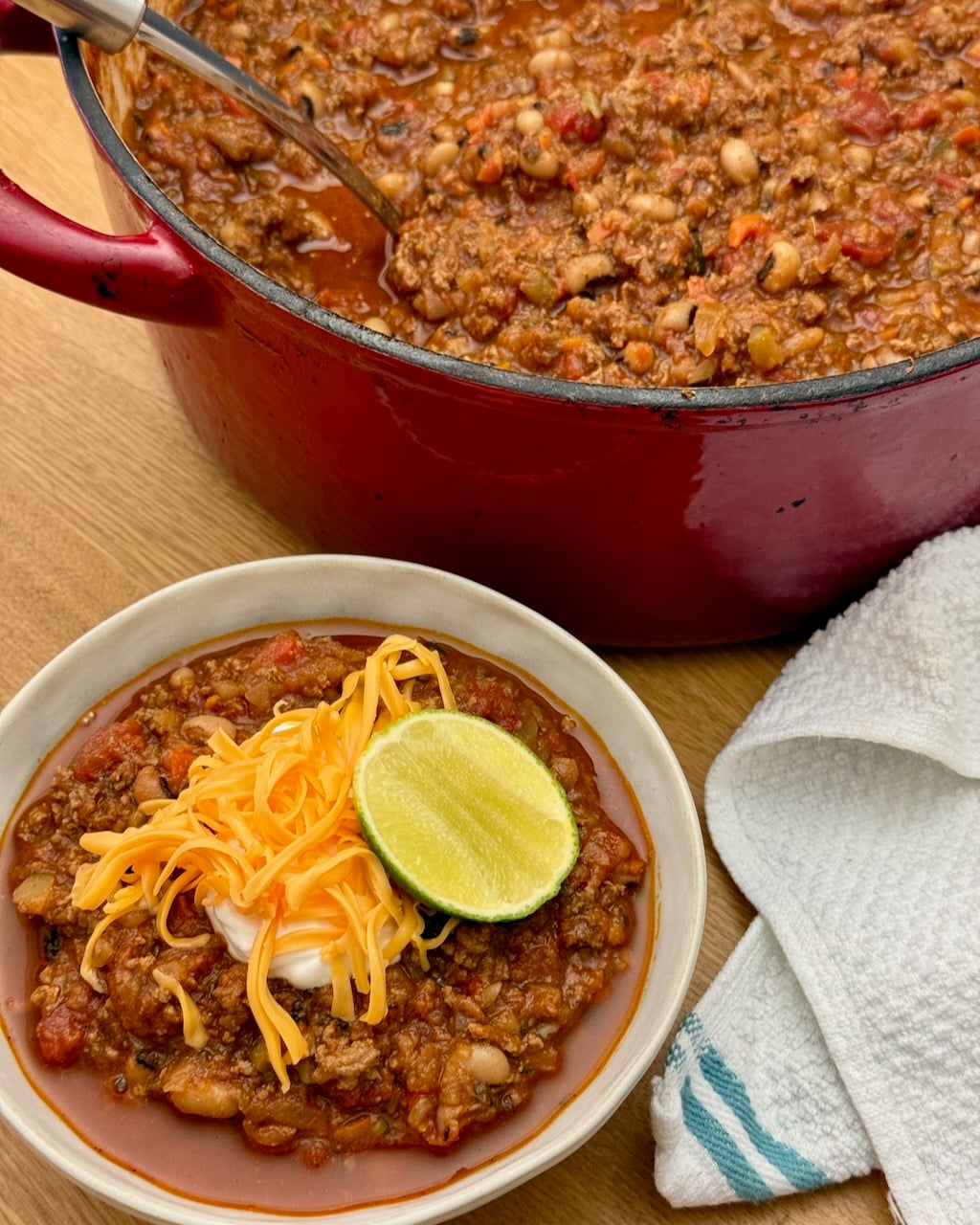
OK let's get into some of the best types of food to freeze.
What Makes a Great Freezer Meal
A good freezer meal (or meal component) has to be able to hold up to the process of freezing, thawing, and reheating. That's a lot to ask! Here's what to look for:
- It's saucy or brothy. Liquid protects food from freezer burn and keeps it moist when you reheat it.
- It's sturdy. Beans, braised meat, chunky vegetables, and grains like rice hold their shape really well. Delicate rice noodles: Not so much.
- It's forgiving. Reheating is basically a second round of cooking, so it should be hard to overcook. A good rule of thumb: If it tastes better after a day in the fridge (AKA "fridge-cooking"), or if you can cook it in a slow cooker, it's probably a good contender for a freezer meal.
- It's portioned out. Single or double servings are the name of the game here. They thaw faster, and you're not defrosting a giant container with six servings to get through.
Best Practices
Cool it completely first
Hot food warms up everything around it and creates ice crystals. To avoid this, cool your food thoroughly before freezing it. The fastest way to cool things down is to spread it out in a shallow container, let it cool on the counter for a bit (even better in a cold water bath), then chill it in the fridge before it goes in the freezer. Try not to leave it out for more than two hours.
Undercook anything that goes mushy
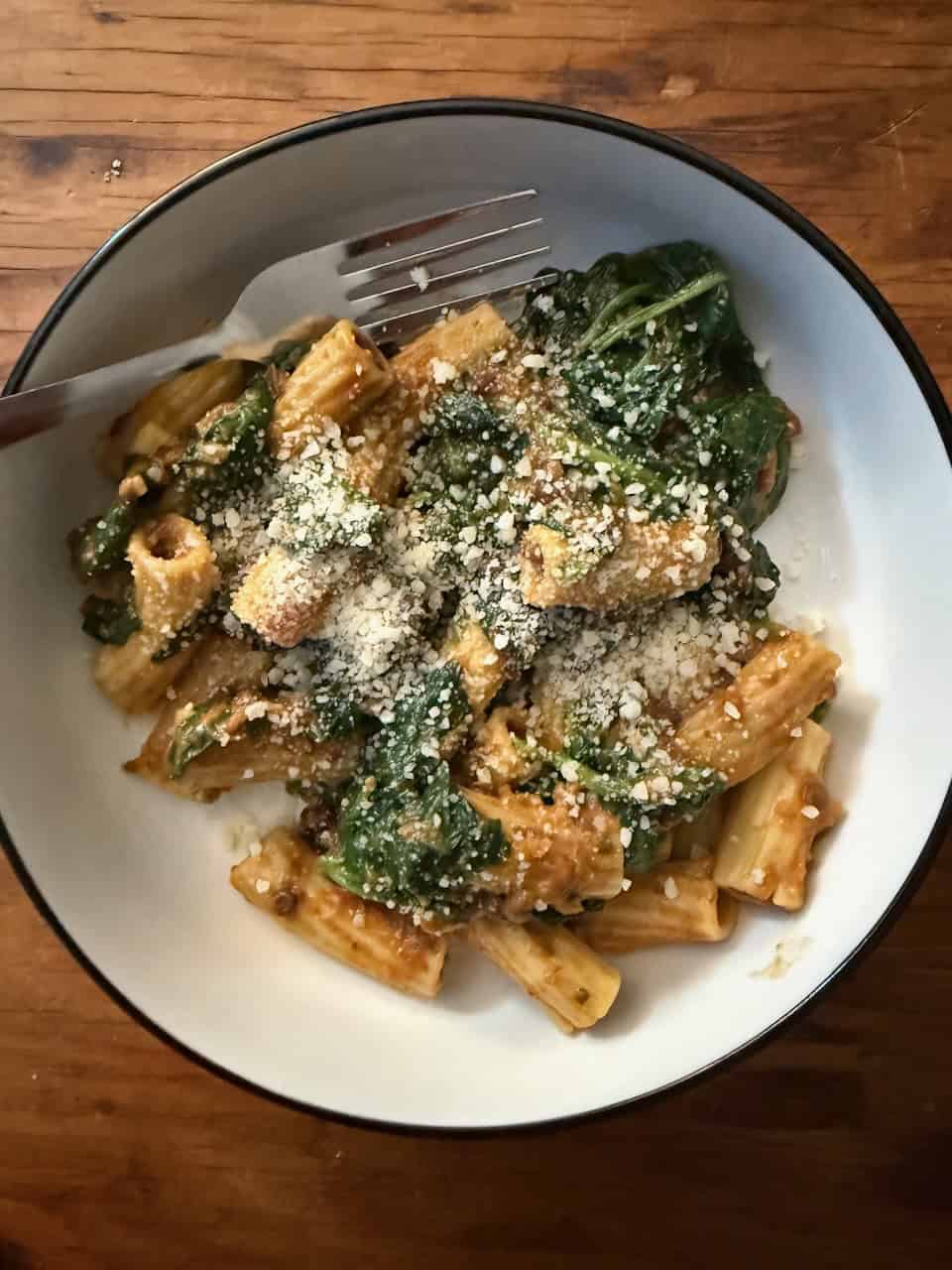
Pasta is the biggest culprit for this. When you freeze and reheat pasta that's already been fully cooked, it tends to become a bit mushy. Cook it to al-dente and you'll be much better off.
Hold back the finishers
If you're planning to finish a dish with cream, fresh herbs, an acid like a squeeze of lemon or lime, or any kind of crunchy topping, it's best to hold those back and add them after the reheating process. Especially the fresh herbs and acid. Adding those at the end are a really good way to bring new life to something that's been dormant in the freezer for awhile. A good example of this is taco filling. Freeze it on its own, and assemble the tacos when you're ready to eat.

Portion before you freeze
Freeze in the amounts you'll actually eat. Single servings thaw faster and make weeknight dinner a grab-and-go event. Freezing things in big batches puts you right back where you started (with a big batch of food to contend with!) And freezing/defrosting twice is never a good idea.
Get the air out
Air is the enemy of freezing food, because it is the leading cause of freezer burn, so squeeze the air out of bags before sealing. Vacuum sealing is an elite way to freeze your food, but if you don't have a vacuum sealer, remove as much air as possible from your freezer bags before storing them. You can go the extra mile by sucking the air out with a straw and then sealing the bag really quickly. It works surprisingly well.
Leave some room
Liquids expand as they freeze, so leave a bit of headspace in your containers, especially if they're rigid containers like glass or hard plastic. (Note: if using glass, make sure it's a heavy duty glass container, not a jar. While it is possible to freeze in glass jars, I don't recommend it. I've broken my fair share of jars in the past, usually from overfilling.)
Label everything
You will absolutely thank yourself later if you name and date your freezer meals every time. Nobody wants a mystery container, and it's really hard to distinguish a frozen block of Bolognese sauce from a frozen block of chili. (Trust me on this one).
Thawing and Reheating Guide
Thawing your frozen food overnight in the fridge is best, but we're all about convenience here. If you're short on time, you can absolutely reheat from frozen. How you reheat will depend on what it is you're reheating.
- Stovetop - great for soups and stews: Use low heat with a splash of water and stir often.
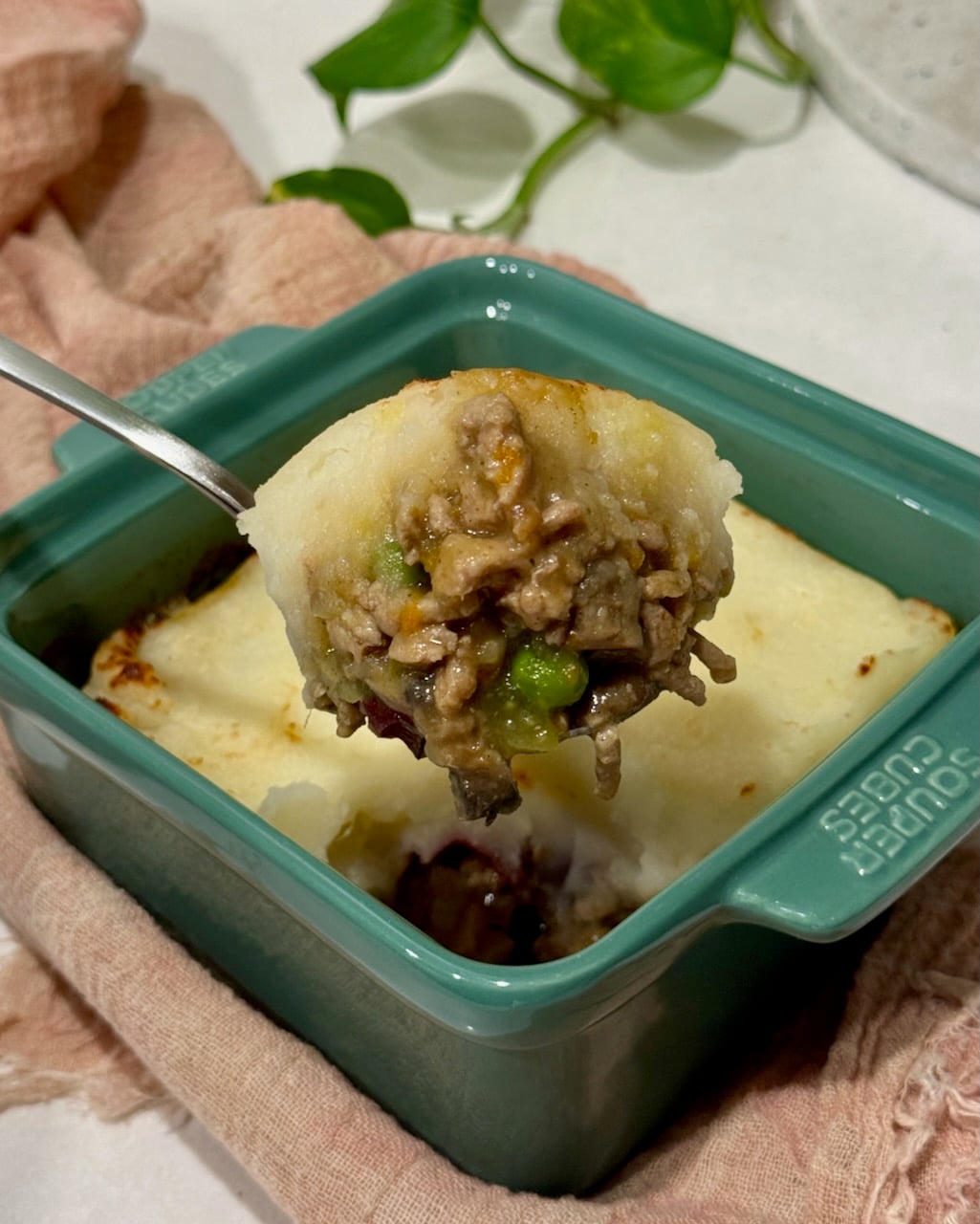
- Oven - a good option for full meals like shepherd's pie or lasagna. Cover and heat slowly (325-350F) so it doesn't burn on the outside while staying frozen in the middle.
- Air fryer - same idea as the oven. Know that air fryers cook hotter and faster than ovens, even at the same temp. Keep an eye on things!
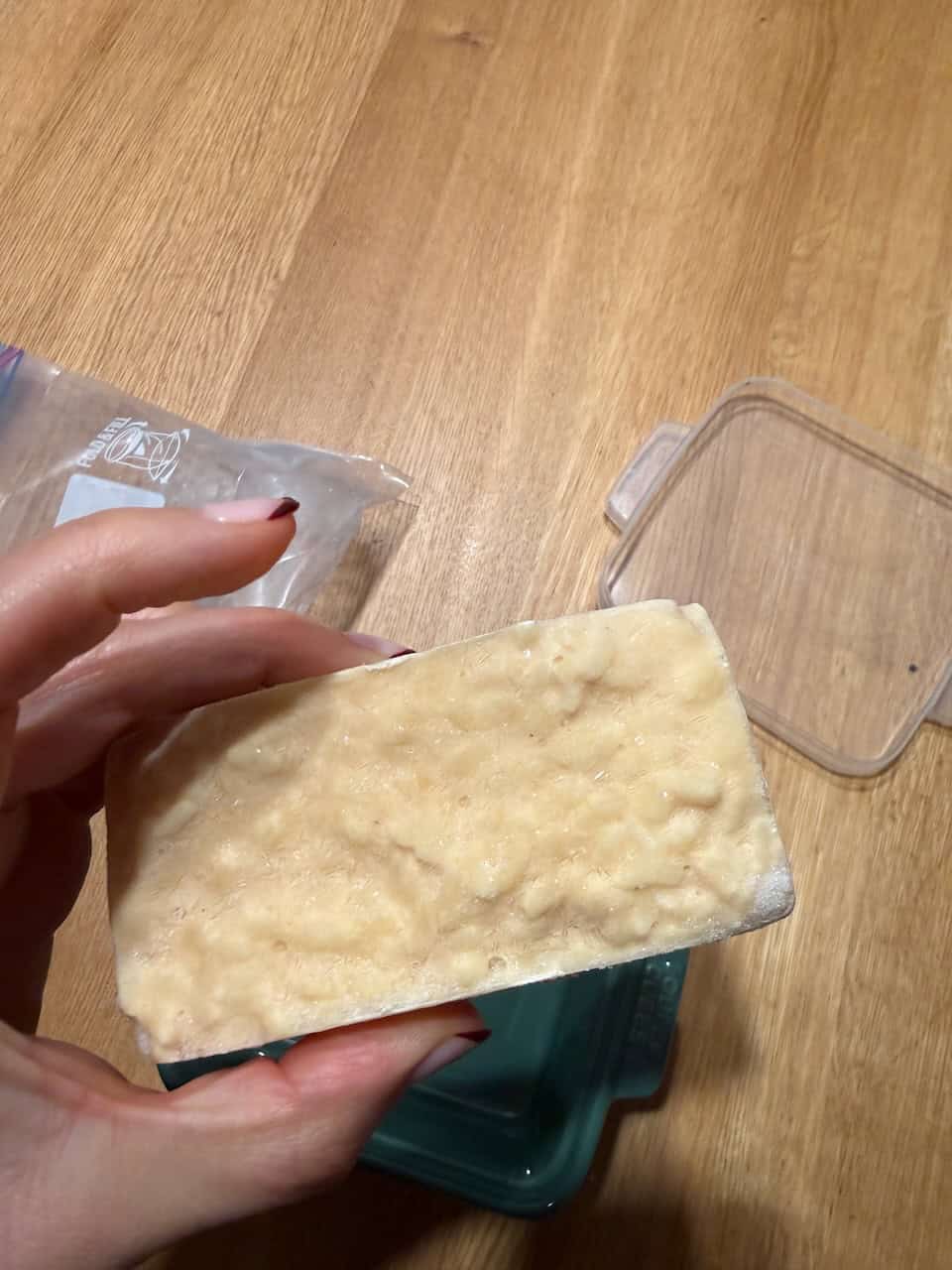
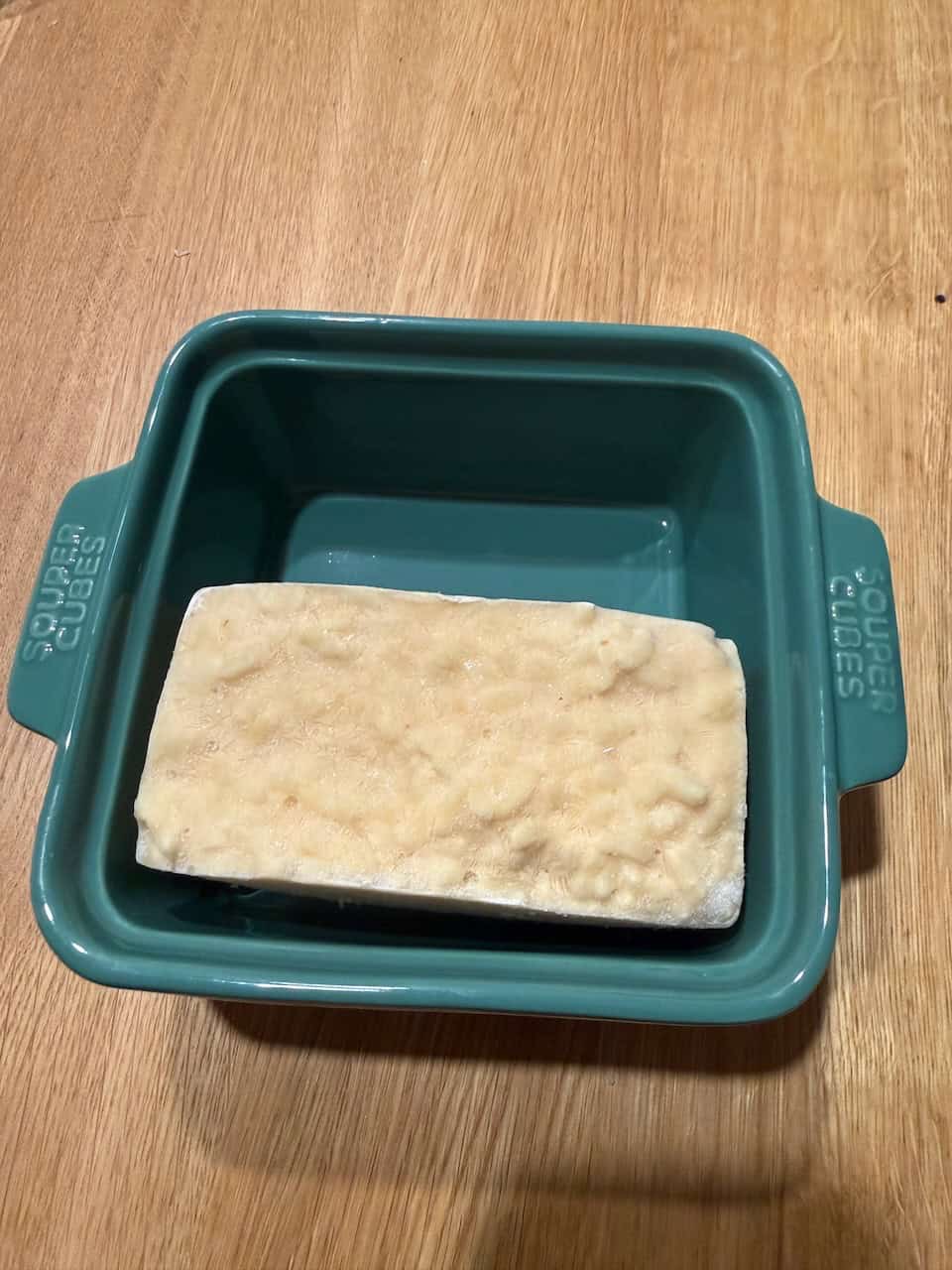
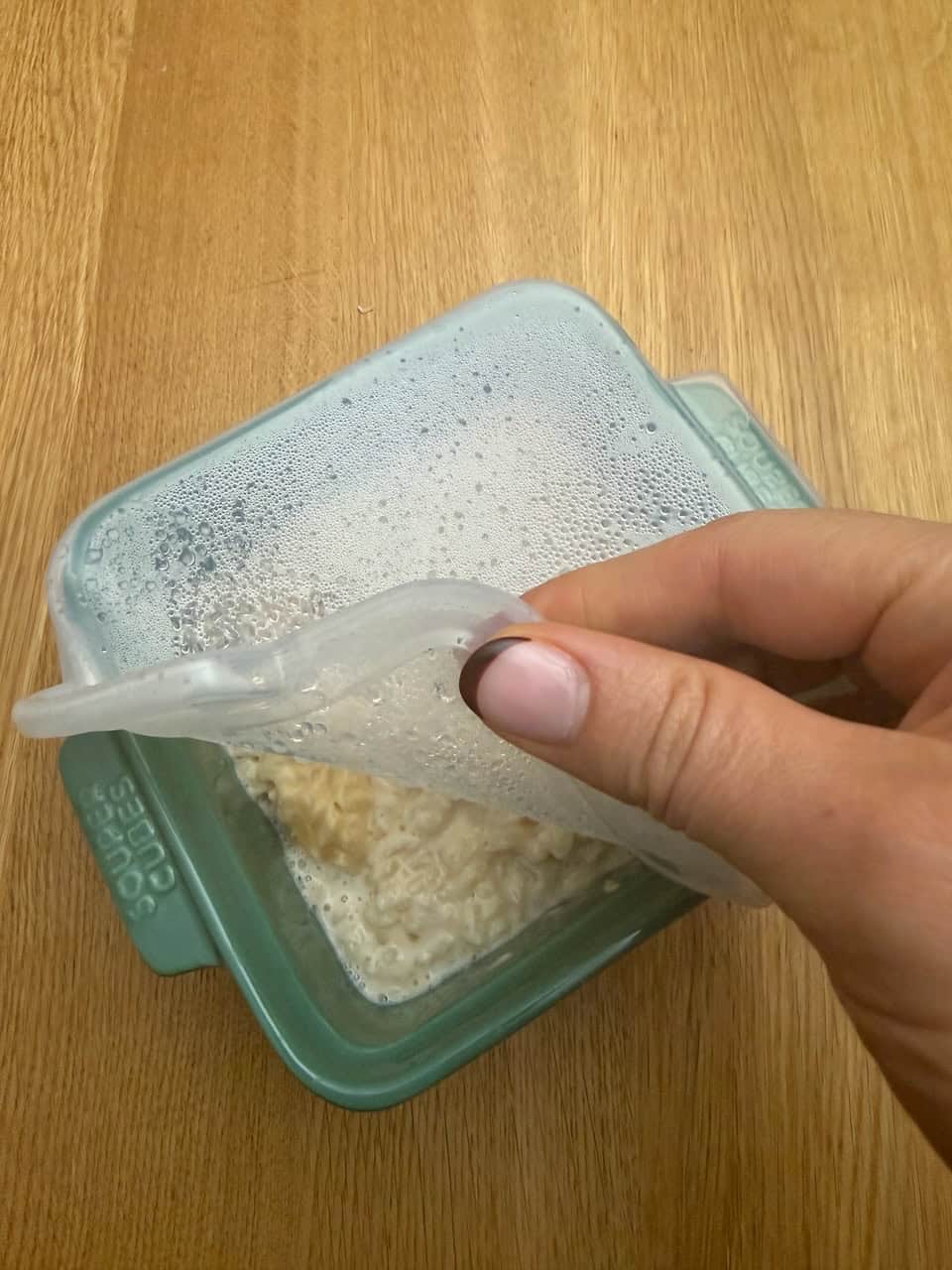
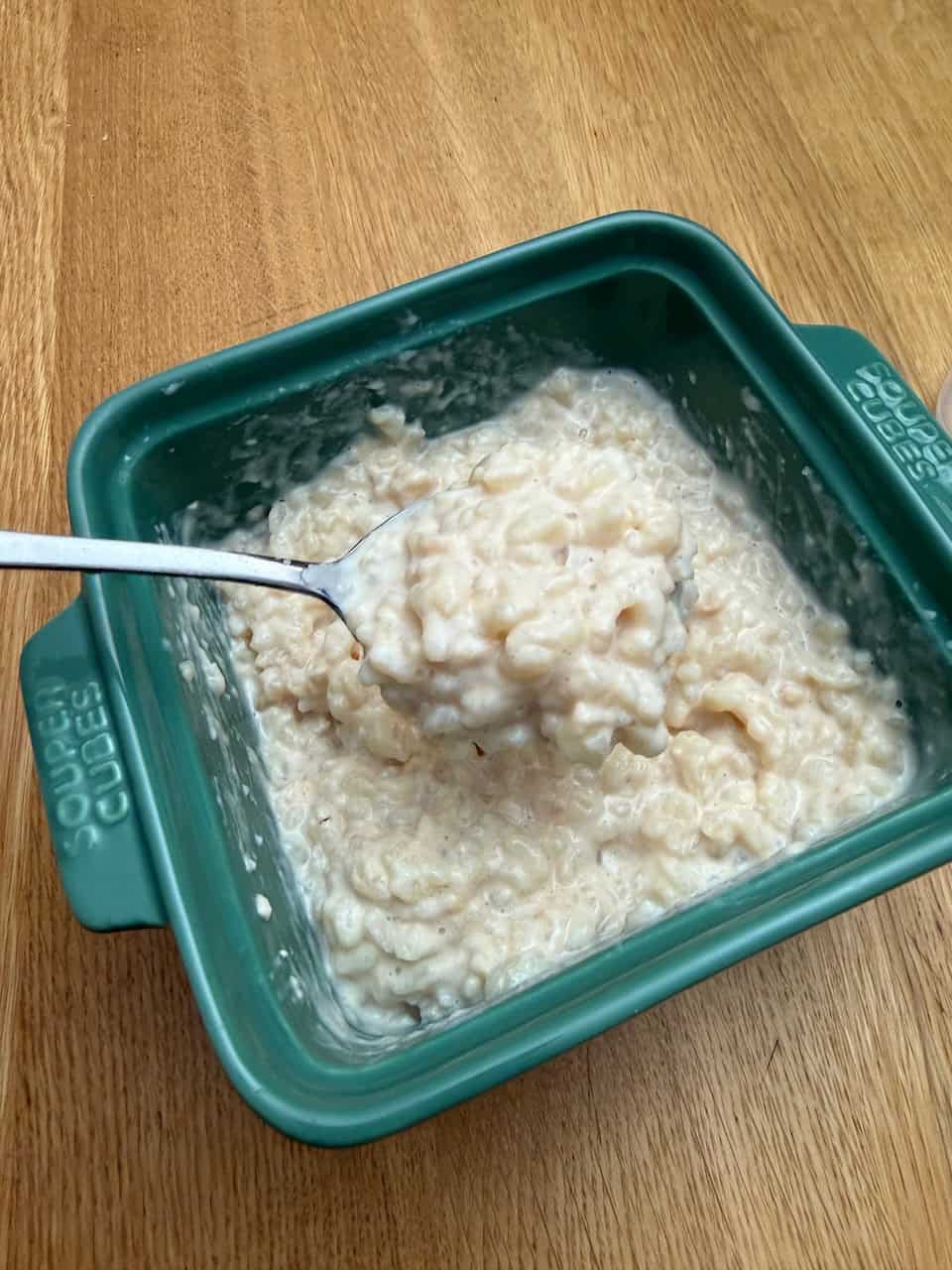
- Microwave - this is my go-to option, because it's fast and works for any food. I splashed out on the Souper Cubes casserole dishes which come with silicone lids and perfectly fit 2 cups worth of cubes. If heating from frozen, I start the microwave at 60% power for 8 minutes before a full-power 3-minute blast.
As a rule of thumb, your food should be 165°F (74°C) in the very center. (If you don't have a digital thermometer, I recommend this one!)
Ingredients to Avoid (or Handle With Care)
Almost anything can go in the freezer. Whether it comes back out tasting good is another question. Here are some cautionary items to think twice about before freezing.
Items to avoid freezing
Mayo-based anything. It separates and turns greasy and weird. Just don't do it.
Crispy toppings. Breadcrumbs, fried onions, tortilla strips, anything you were counting on for crunch will turn soggy. Freeze the dish sans-topping and add the crunch at the end.
Fresh herbs or citrus (that you're counting on staying fresh and vibrant). Add those at the end to give your dinner a fresh burst.
Watery raw vegetables. Cucumber, lettuce, and raw tomato turn to mush. Cook them down first (a tomato sauce is fine), or leave them out and add them fresh at the end. (Like... don't be freezing salad. K?)
Proceed with caution
Sugary sauces. BBQ sauce, teriyaki, honey garlic, hoisin, anything glossy and sweet. Sugar lowers the freezing point, so these sauces never freeze totally firm. They stay slushy and sticky, and can leave you with a big mess. If you do go this route, use a ziploc bag instead of silicone cubes. That way everything stays nicely contained until go time.
Anything finished with milk or cream. While it's totally doable, the creaminess can dissipate somewhat when frozen and thawed. For soups that are finished with dairy, it's best to freeze the base and stir the cream in while you reheat.
Pasta and noodles. They soak up liquid and keep cooking as they thaw and reheat. Undercook them by a few minutes, or freeze the sauce on its own and cook the fresh pasta while it reheats.
Potatoes. This is a funny one. Mashed potatoes do really well, but chunks of potatoes (like in a sausage potato soup) tend to fall apart and turn to mush when freezing. I'll leave this one up to you.
A general guideline
If a dish depends on crunch, creaminess, or freshness, hold that part back (if it's easy to do so) and add it after reheating. If it's already saucy, sturdy, and a little forgiving, freeze it.
Freezing Containers: What Works and What Doesn't
There's no single best container. It depends on what you're freezing. Here's the cheat sheet, followed by the details and the recipes that suit each one.
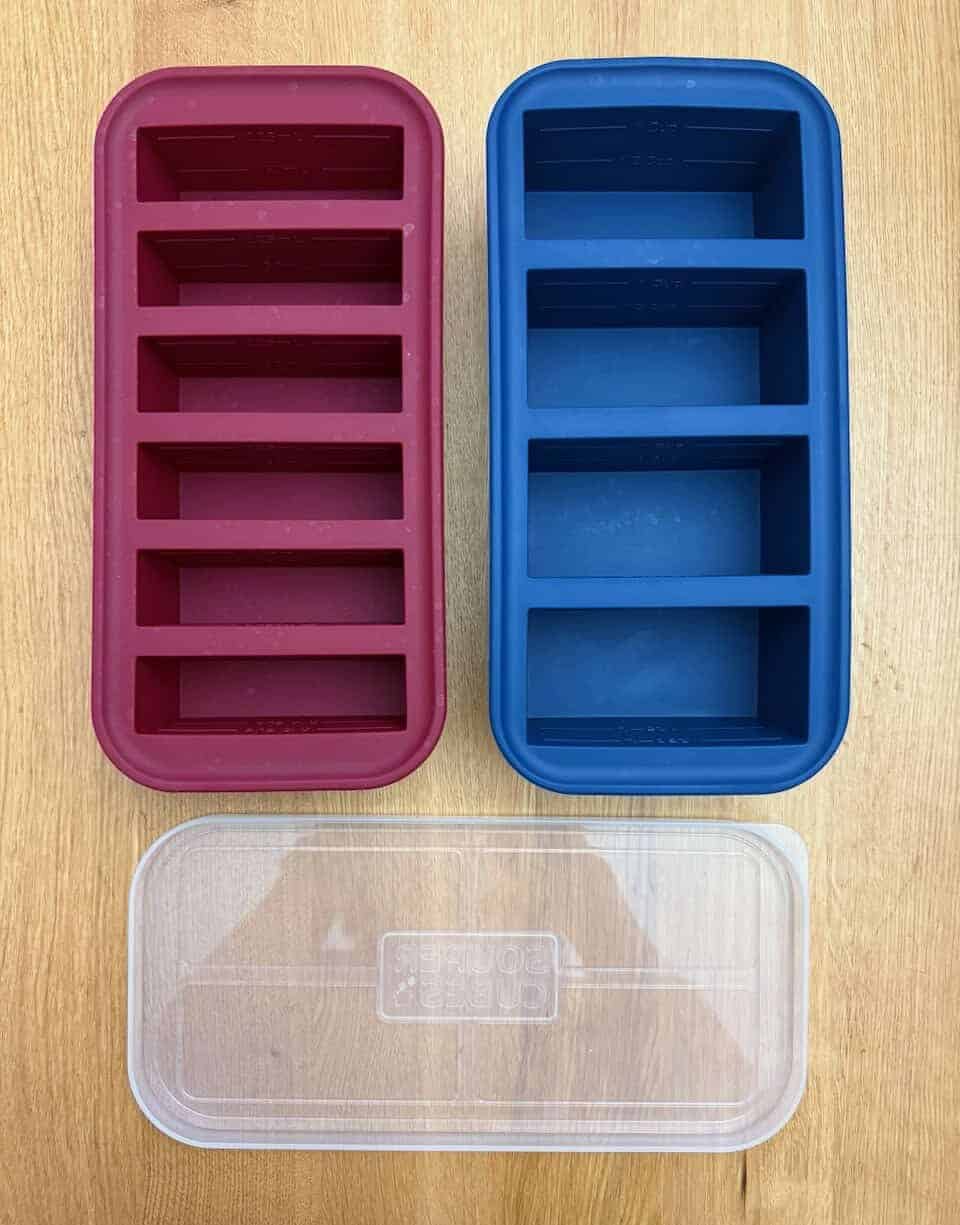
Silicone cubes (best for soups and full meals)
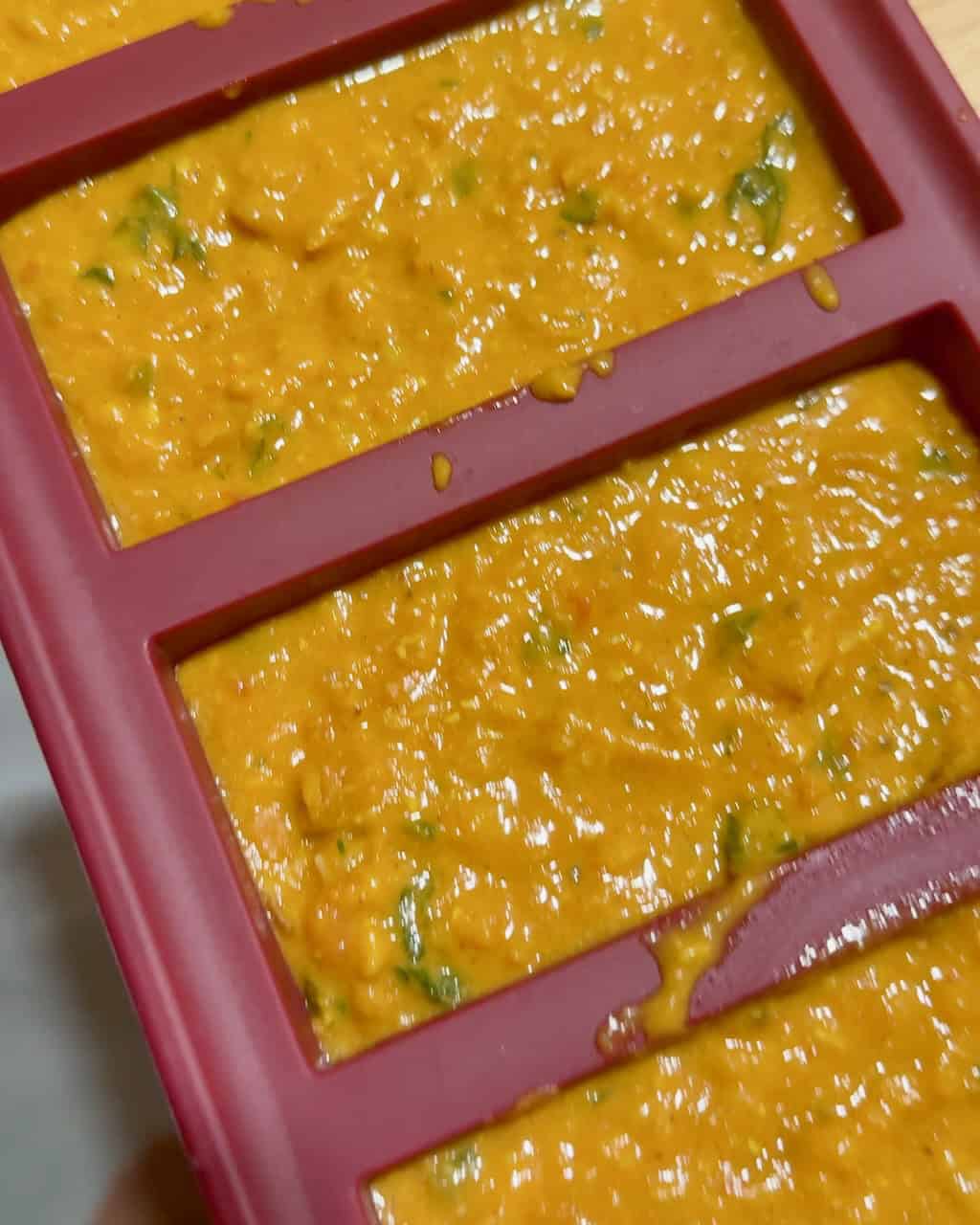
I LOVE these things. Fill the cube trays, freeze until solid, pop the blocks out, and store them in a bag. You get perfect portions that you can grab one at a time. You can fit about 4 cubes in a gallon bag, or take things to the next level with vacuum-sealed bags for longer storage.
Plus: You can also bake directly in the silicone molds, which opens up a lot of options. You can freeze things in the cubes before baking, and take them out and bake them when you're ready. This is great for things like mini frittatas, baked pasta, or shepherd's pie.
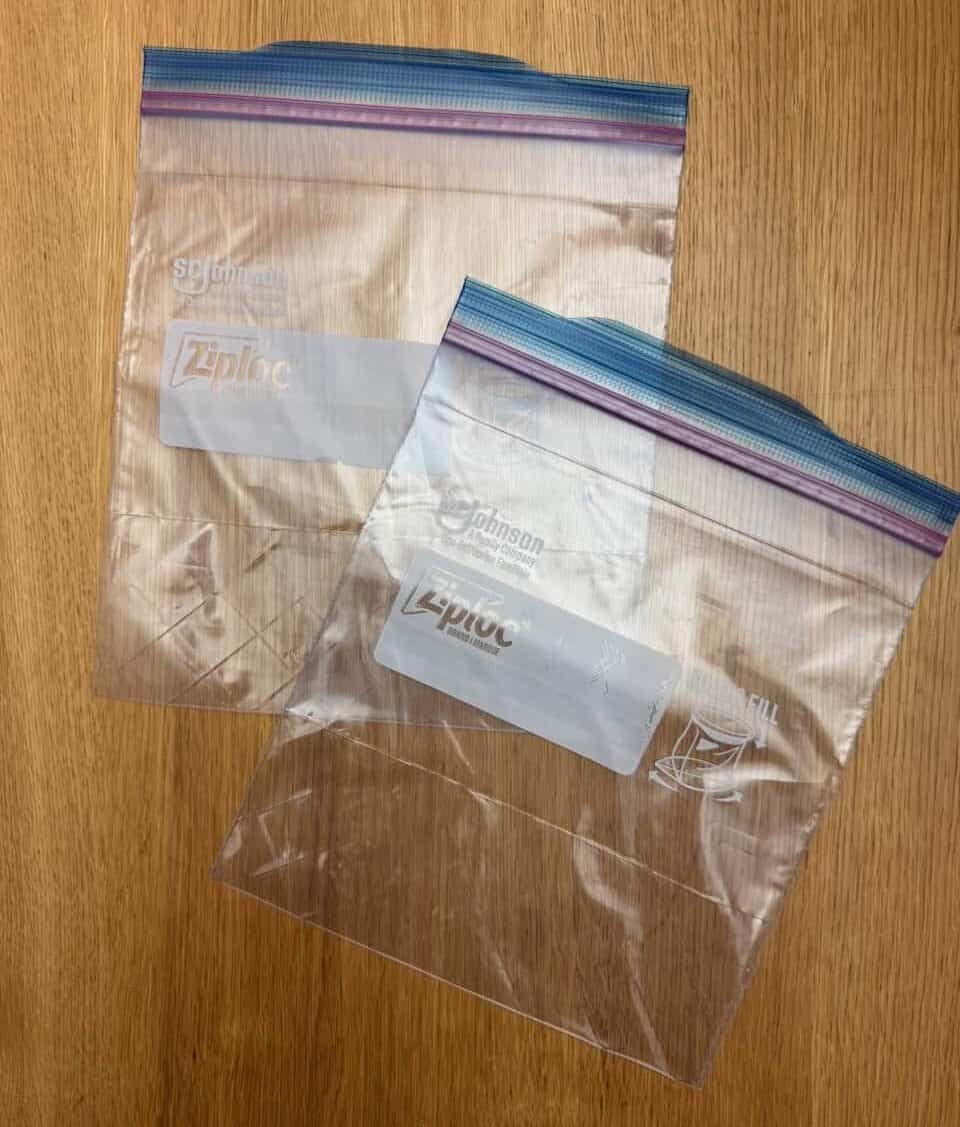
Freezer bags laid flat (great for taco fillings, stir-fries, thicker items)
Freezer bags can be great because they don't take up too much space, and they're fairly leak resistant. Cool the food completely, spoon it into a bag, press out the air, and lay it flat to freeze. Once it's solid, the bags stack like files.
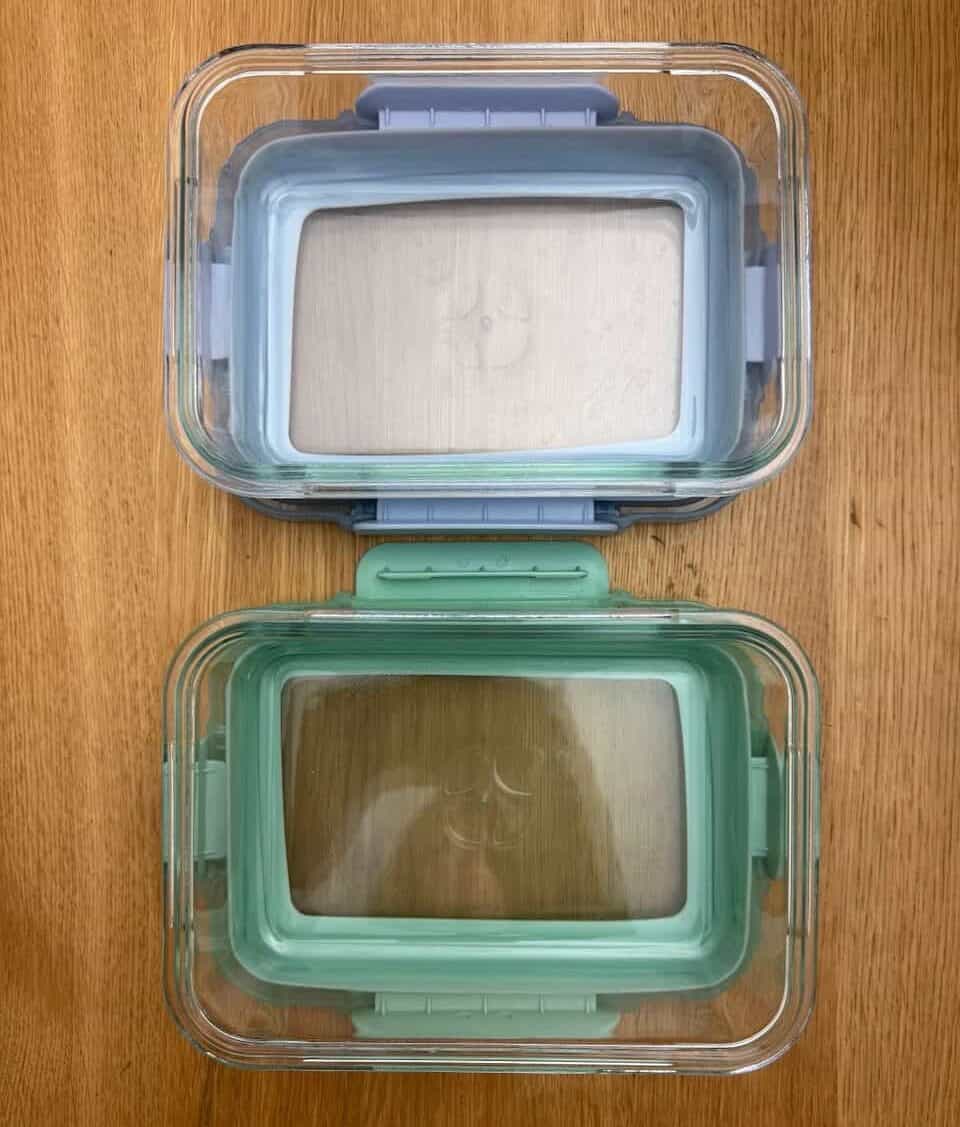
Rigid containers: glass or plastic (a good option for one-pan meals)
Ideal for single portions you can reheat right in the container. Leave about an inch of headspace.
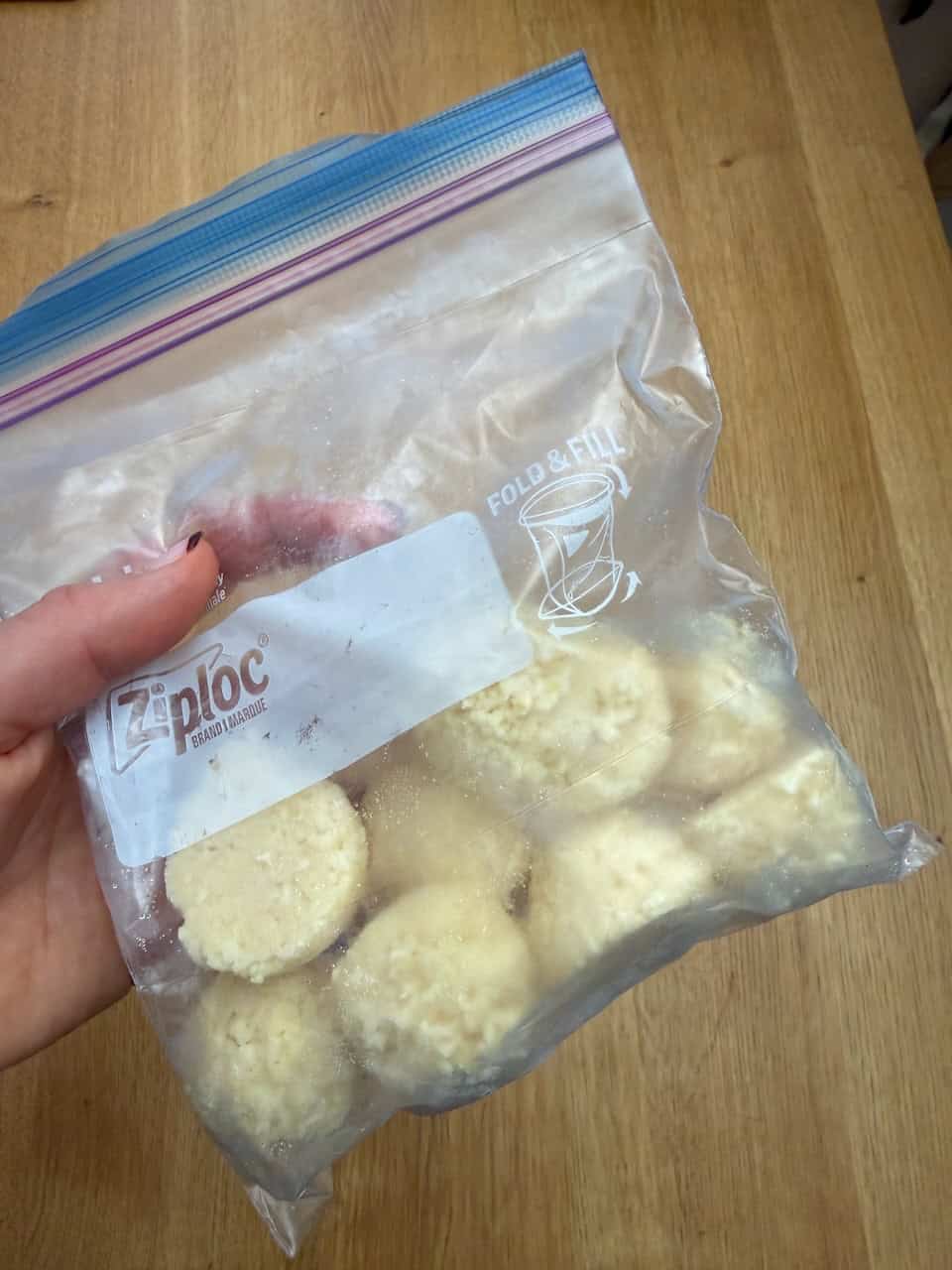
Baking sheet flash freezing (IQF)
IQF stands for Individually Quick Frozen. Spread things out in a single layer on a lined baking sheet, freeze until solid, then transfer them to a bag or container. This is great for veggies like blanched broccoli or green beans. It's also great for portion-scooped items like minced garlic and ginger. These are the little things that make weeknight cooking faster. Scoop tablespoon-size portions onto a parchment-lined baking sheet, freeze until solid, then bag 'em up.
Foil pans and baking dishes (best for bakes)
Assemble, wrap tightly (plastic wrap first, then foil), and freeze. Reheat in the same pan.
| Container | Best for | Pros | Cons |
|---|---|---|---|
| Freezer bags | Taco fillings, cooked meats, stir-fries, thicker items | Cheap, stack flat, thaw fast | Can leak or puncture, awkward to fill |
| Silicone cubes | Soups, stews, stock, sauces, full meals, grains, cooked vegetables | Exact portions, reusable, SO much fun (Lego lunch anyone?) | Extra transfer step, can hold odors, not great for sugary sauces |
| Rigid containers (glass or plastic) | Skillet meals, single portions | No leaks, reheat in the container | Bulky, glass can crack, plastic stains |
| Baking sheet (flash freezing or scooped portions) | Scooped portions (like minced garlic or cookie dough) or individual items like washed berries or blanched veggies | Great for ingredient prep and flavor on demand. | Needs flat freezer space, extra transfer step |
| Foil pans | Bakes and casseroles | Freeze and reheat in one pan | Not microwave-safe, tears easily |
Favorite Recipes: Freezer-friendly winners for your dinner rotation
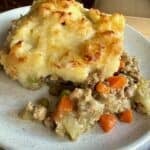
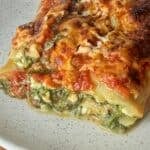
I hope this post has given you a solid grasp on what to freeze, how to freeze it, and how to reheat it. Now here's a round up of some of my favorite healthy freezer meals:



Frequently Asked Questions
Most of these keep well for about 3 months. Label everything with the date so you don't end up with a mystery container.
Thawing overnight in the fridge is best. If you're short on time, reheat from frozen over low heat. (See the reheating section for more info.)
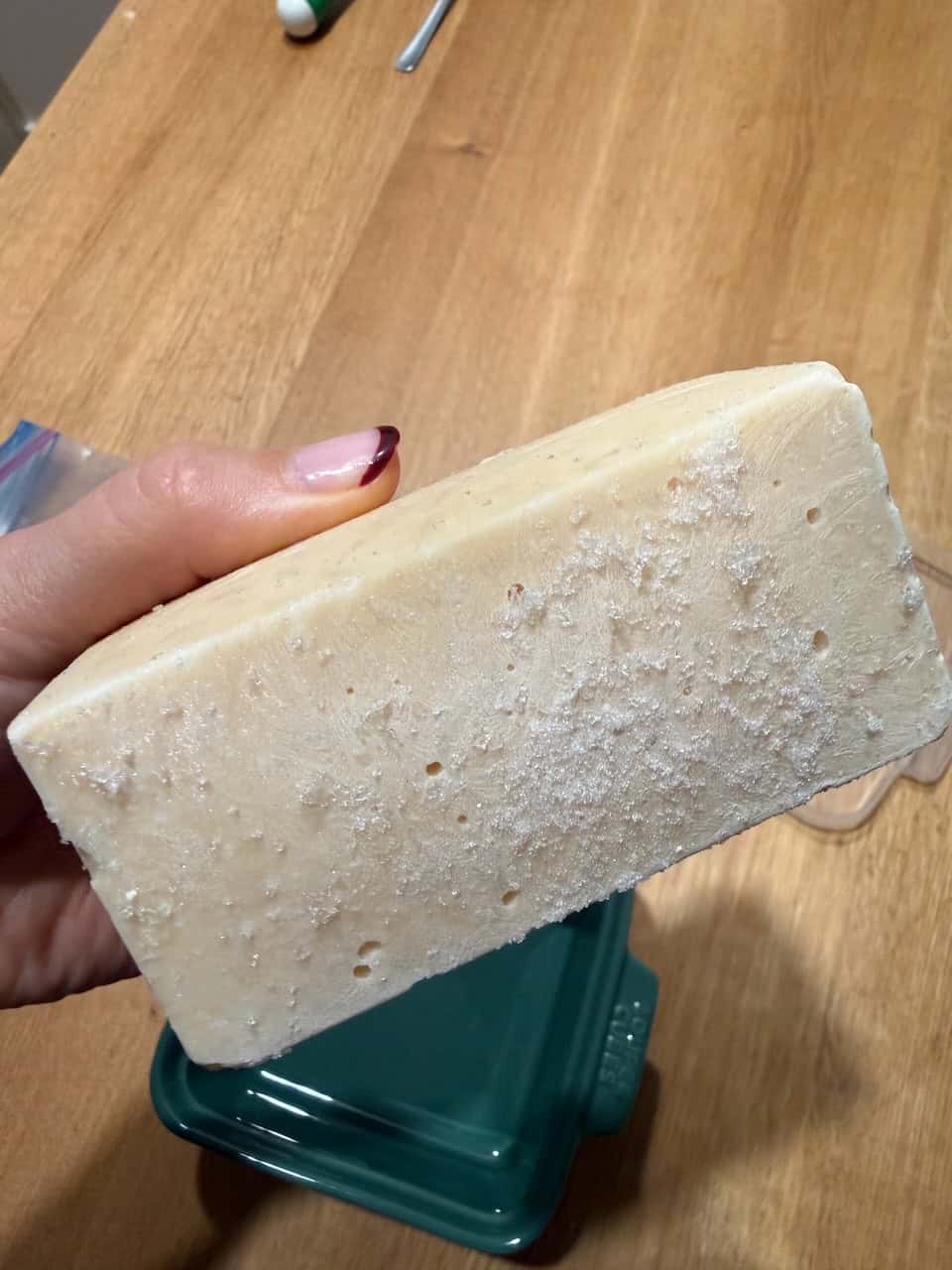
Look for dry, grayish-white, leathery patches or lots of ice crystals. It's safe to eat, but the flavor and texture take a hit. Pressing the air out of bags and wrapping tightly is the best prevention.
Yes. Let it cool, and get it into the fridge within a couple hours to chill before freeze it. Putting hot food straight into the freezer warms up everything around it and creates ice crystals.
I'd skip it. Every freeze-thaw cycle breaks down the food's texture a little more, and by round two you're usually left with mushy veggies, grainy sauces, and meat that's gone dry and sad.
Barely, and sometimes freezing is the better option. Freezing locks in nutrients rather than draining them, so a frozen meal is about as nutritious as the day you made it. Cooking reduces some of the water-soluble vitamins like vitamin C and the B vitamins, but freezing doesn't do much damage.
Mayo-based anything (it separates and gets greasy and weird), crispy toppings, and watery raw veggies like cucumber, lettuce, and raw tomato. Please don't freeze salad. A few things fall in the "proceed with caution" zone: sugary sauces that never freeze firm, cream-finished dishes, pasta, and chunks of potato. The easy workaround is to freeze the sturdy part and add the crunchy, creamy, or fresh part after reheating.
You can, but I don't recommend it. I've broken my fair share of jars, usually from overfilling. Liquids expand as they freeze, so if you're using glass, go with a heavy-duty freezer-safe container (not a jar) and leave a generous amount of headspace.
Nope. Vacuum sealing is elite, but plenty of freezer meals live happily in regular freezer bags. Press out as much air as you can before sealing, since air is the leading cause of freezer burn. For bonus points, suck the air out with a straw and seal the bag fast. It works surprisingly well.
Yep! You just need to go low and slow. On the stovetop, use low heat with a splash of water and stir often. In the oven, cover the dish and heat at 325-350°F so the outside doesn't burn while the middle is still frozen. In the microwave, I start at 60% power for 8 minutes, then finish with a full-power blast. Either way, your food should hit 165°F in the center.
Still Hungry?
For more freezer-friendly ideas, check out my soup recipes and browse my freezer meals Pinterest board.